BK20
E-bike rules vary by country. Check the rules in your country →

Price History & Offers
Available Offers
Prices updated automatically
* Affiliate links — we may earn a commission at no extra cost to you.
Key Strengths
- ✓Top speed of 50.0 km/h outpaces the fat-tire average of 38.3 km/h by ~30%
- ✓Robust 960 Wh battery pack rivals or exceeds many peers’ capacities
- ✓At $999, price is only ~5% above the $954.13 average despite its performance focus
Main Drawbacks
- ✕Range is just 80.0 km, ~27% below the 108.9 km category average
- ✕At 39.2 kg it’s ~10% heavier than the 35.66 kg subcategory norm
- ✕Lacks app connectivity and GPS features common on competing models
Our Verdict
"The HEADEER BK20 gets the basics right but faces stiff competition at this price point. Worth considering if the price is right."
Best Suited For:
Accessories for the HEADEER BK20
Verified compatible gear · essential picks
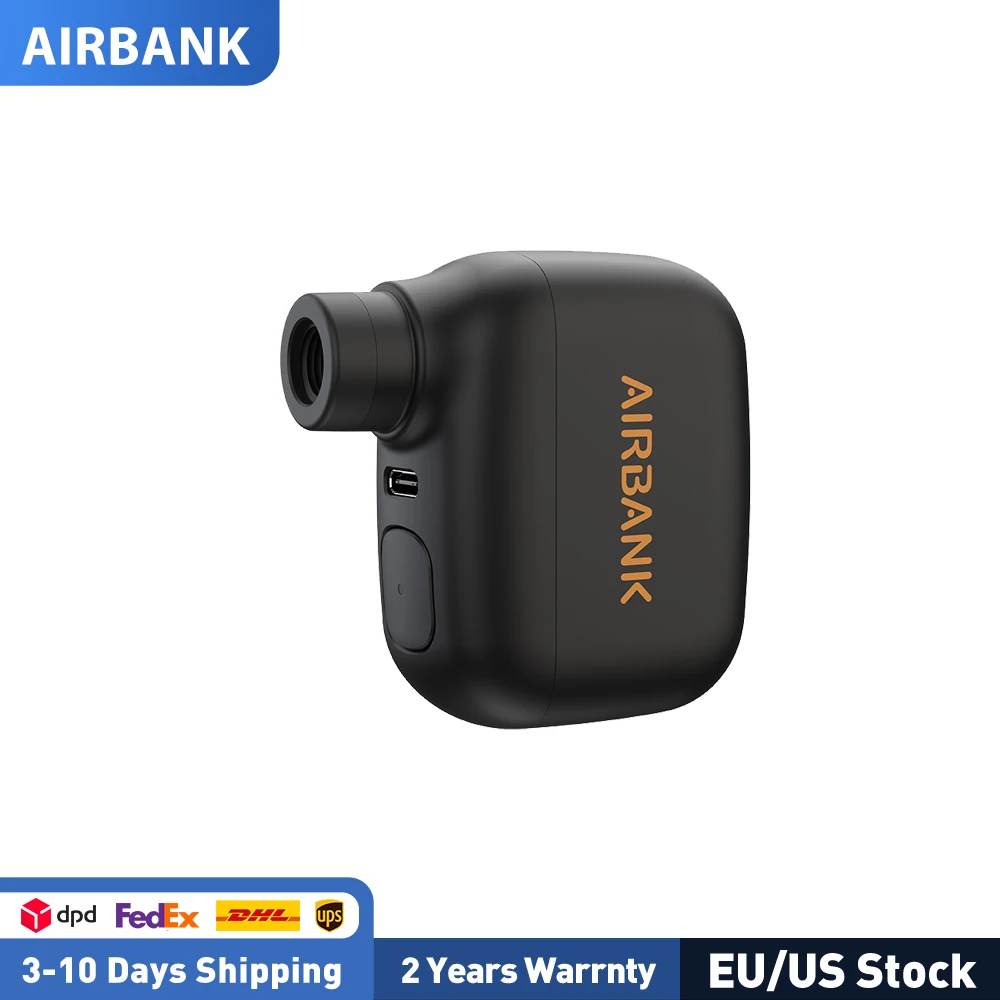
maintenance
AIRBANK Pocket SE Mini Portable Electric Pump For Bicycle Cordless Tire Presta Schrader Valve Bike Accessories Fast Charging
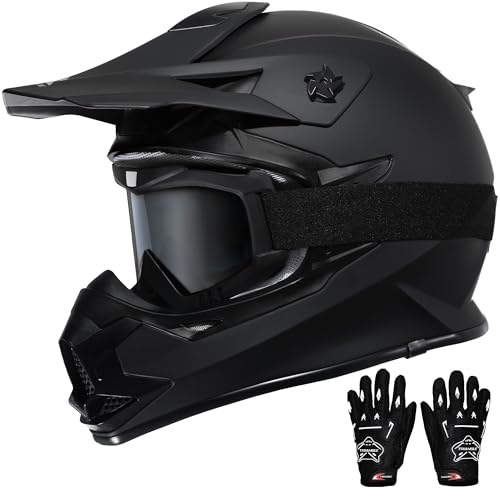
protection
TRIANGLE Adult Dirt Bike Helmet Full Face Motocross Helmets DOT Certified
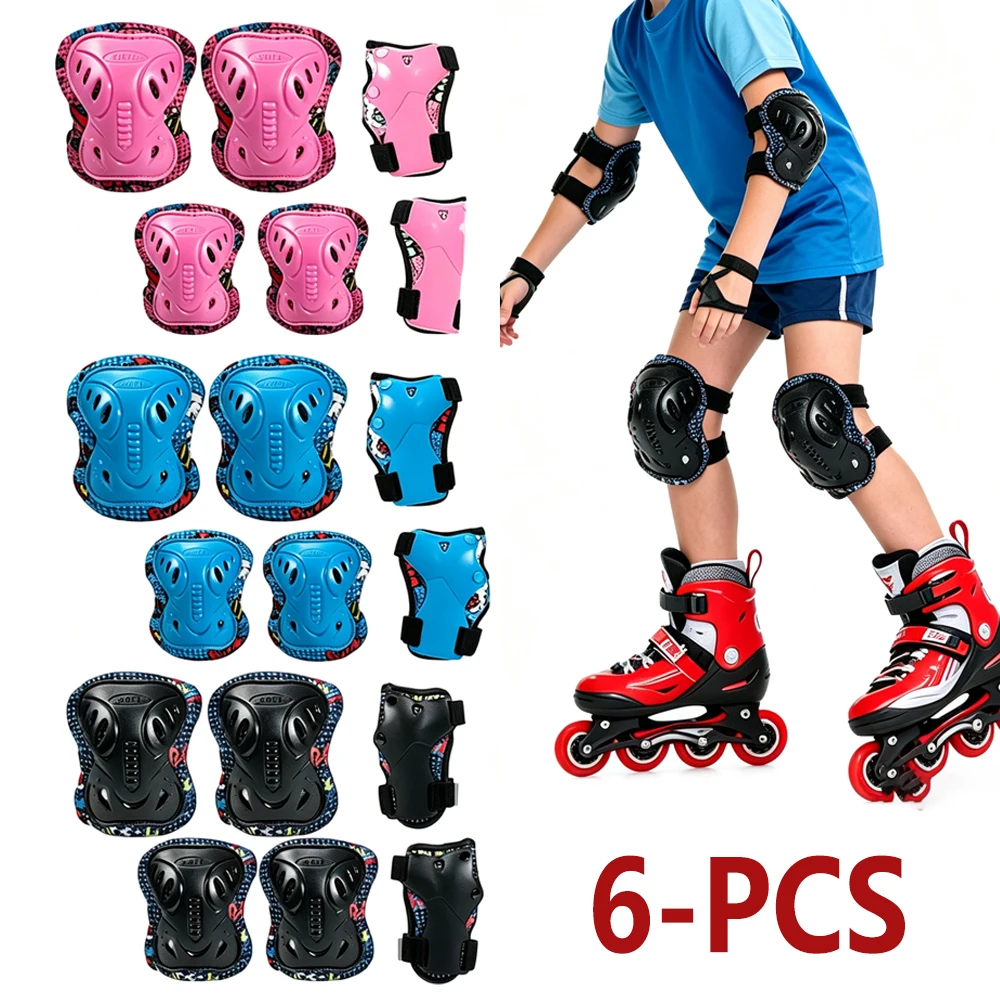
protection
6PCS Adjustable Knee Elbow Pads & Wrist Guards Set, Protective Gear for Skating Cycling Skateboarding,6-in-1 Safety Kit for Bike

security
ROCKBROS 115dB Bike Alarm with Remote Motion Sensor Anti-Theft 2 Pack
Score Breakdown
How we calculate Range & Efficiency
Scores 33/100 vs. other fat-tire subcategory peers.
How we calculate Motor Performance
Scores 45/100 vs. other fat-tire subcategory peers.
How we calculate Ride Comfort
Scores 45/100 vs. other fat-tire subcategory peers.
How we calculate Build Quality
Scores 27/100 vs. other fat-tire subcategory peers.
How we calculate Portability
Scores 36/100 vs. other fat-tire subcategory peers.
How we calculate Tech & Features
Scores 35/100 vs. other fat-tire subcategory peers.
Final ScooterRank Rating · 6 dimensions
38/100
Full Specifications
⚡ Motor & Assistance
🔋 Battery & Range
⚙️ Drivetrain
How long will the battery last for you?
Rider Weight
Conquer Rough Terrain with the HEADEER BK20 Fat-Tire E-Bike
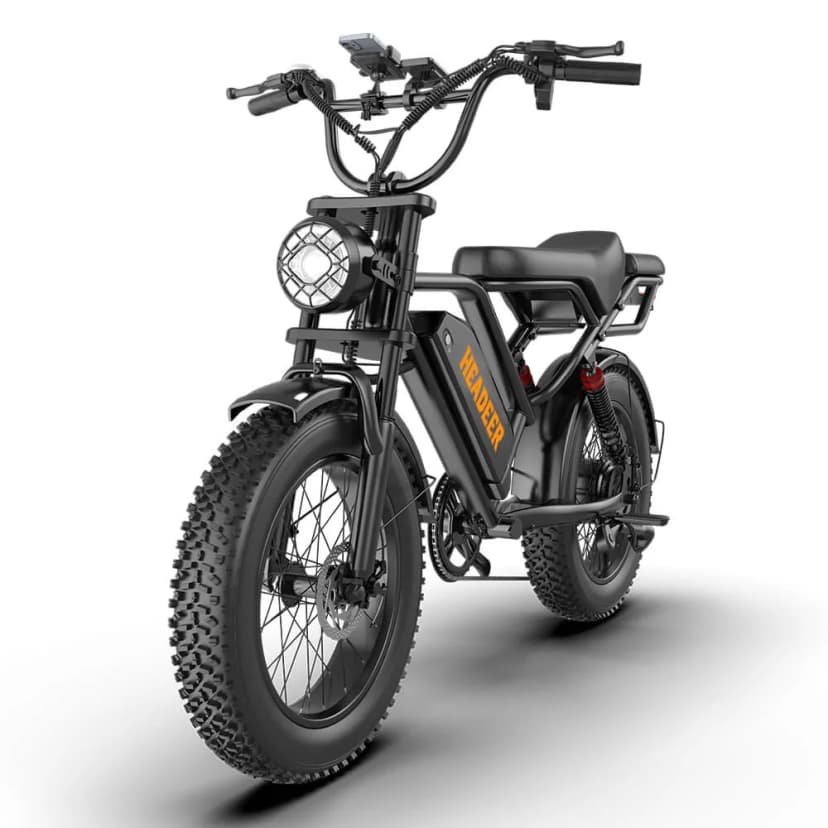
At $999, the HEADEER BK20 stands out as one of 2026’s most affordable fat-tire electric bikes. Powered by a hefty 960 Wh battery and capable of topping out at 50 km/h, this rugged e-bike delivers up to 80 km of range under ideal conditions. Weighing in at 39.2 kg without suspension, it balances stability and durability—ideal for beach cruising, light trail use, or urban commutes where comfort trade-offs are acceptable. Its IPX4 rating shields against splashes, and the robust frame can handle varied terrain. But without front or rear suspension, riders should adjust tire pressure and riding style to soften impacts. Read on to see if the BK20’s real-world performance, portability, and hidden limitations align with your next electric-adventure budget.
Real-World Range with a 960Wh Battery
While the HEADEER BK20 is rated for an 80 km range, real-world performance depends on factors like rider weight, terrain, and speed. Pushing to its top speed of 50 km/h will reduce range by 20–30%, dropping to around 55–64 km. To approach the full 80 km, maintain a steady pace of 25–30 km/h on flat ground and use eco mode if available. The 960 Wh battery stores sufficient energy for longer adventures, but steep climbs or frequent starts and stops can sap capacity faster. Planning routes with gradual elevation changes and optimizing tire pressure will help you consistently hit the advertised range.
Comfort and Portability Trade-Offs
At 39.2 kg, the HEADEER BK20 delivers a stable ride but challenges portability. Lacking front or rear suspension, it relies on fat tires (120–160 mm width) to absorb bumps. Lowering tire pressure to 20–25 psi can soften impacts, but leaves you more vulnerable to pinch flats. The rigid frame maximizes power transfer but transmits jarring shocks on rough trails. For city commutes, the weight can make carrying up stairs or loading onto racks cumbersome. Consider durable protective gear and a moving ramp or fold-down carrier to handle the BK20’s mass. In exchange, you gain a cost-effective fat-tire e-bike that holds its line on varied surfaces.
Rider Reviews
No written reviews yet — be the first to help other riders.
Common Questions — HEADEER BK20
At 38/100, the HEADEER BK20 scores below the fat-tire average. Better-scoring options exist at similar prices — see our fat-tire rankings for alternatives.
The HEADEER BK20 has a claimed top speed of 50 km/h (31 mph). This is above average for fat-tire scooters (avg 37 km/h).
The manufacturer claims 80 km (50 mi) of range per charge. Real-world range will vary with rider weight, speed, terrain, and temperature.
The HEADEER BK20 weighs 39.2 kg (86 lbs). It is heavier than the fat-tire average of 30.71 kg.
The HEADEER BK20 is rated IPX4, which indicates splash resistance — light rain is fine, avoid puddles.
The HEADEER BK20 features a hub drive rear motor, rated at 750W nominal power.
The HEADEER BK20 is rated for up to 80 km on a single 960 Wh charge under ideal conditions. Real-world factors like riding speed, terrain, and rider weight can reduce that to 55–65 km when cruising near its 50 km/h top speed. Adjust tire pressure and ride steadily to maximize distance.
The HEADEER BK20’s 120–160 mm fat tires and rugged frame handle light off-road trails, sand, and gravel effectively, while its IPX4 rating withstands dust and splashes. However, without dedicated suspension, rougher terrain will feel stiffer on long rides. If your route includes frequent rocks or singletrack, consider adding a front suspension fork or choosing a model with built-in shocks.
Routine maintenance on the HEADEER BK20 focuses on tire care, drivetrain, and battery preservation. Check 120–160 mm fat tire pressure weekly at 20–25 psi to prevent flats and optimize comfort. Lubricate the chain every 200 km and tighten loose bolts on the frame and handlebars. Keep the 960 Wh battery between 20% and 80% charge for longer life, and store indoors away from extreme temperatures when not in use.