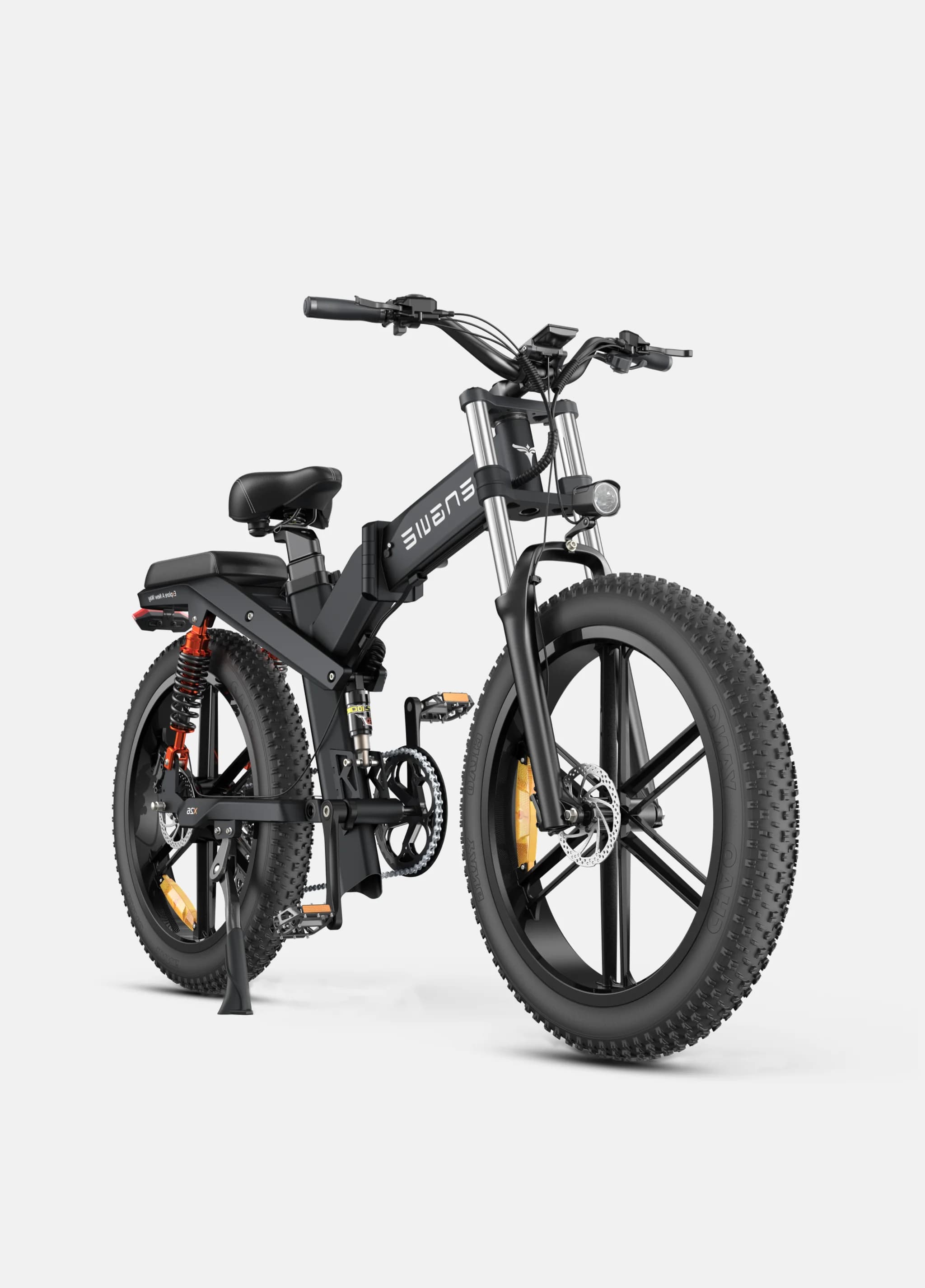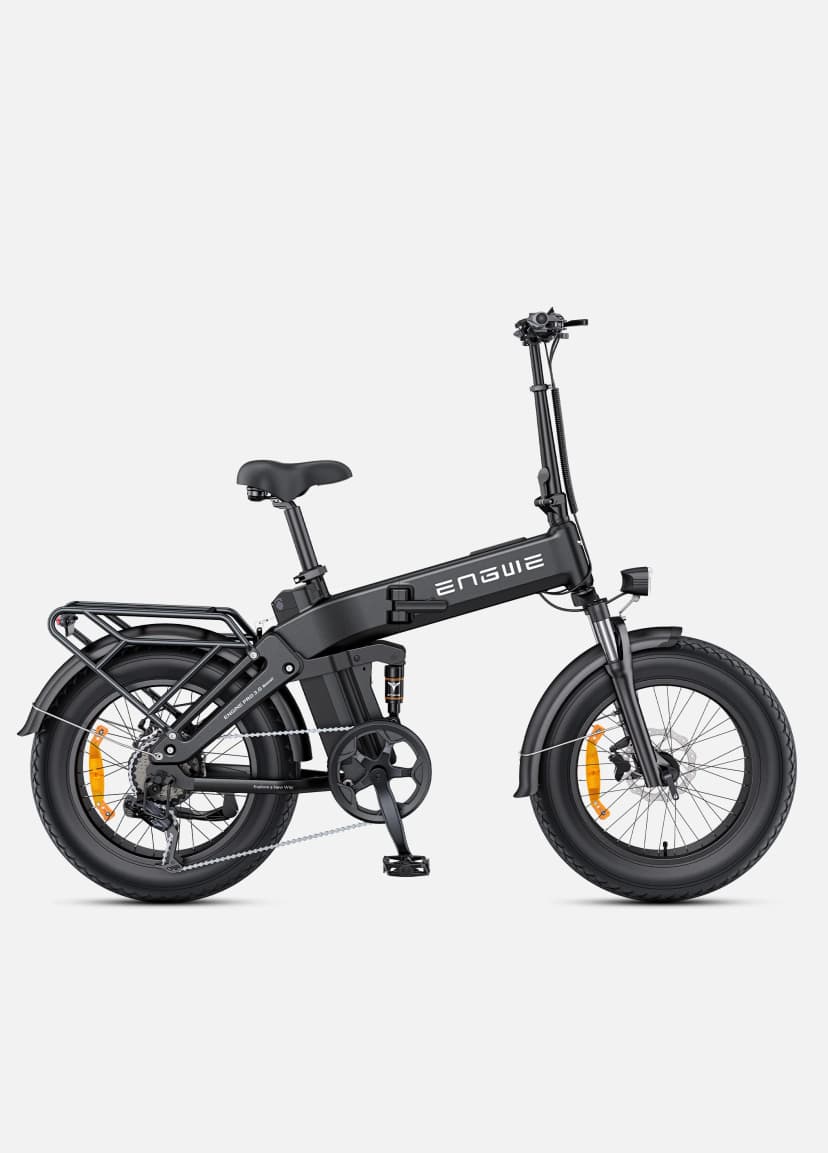
Engine Pro 3.0 Boost
Overall
Score
Available Offers
Prices updated automatically
Engwe Official Store
10% ON ALL PRODUCTS
Check Price →Amazon Store
Compare on Amazon
Check Price →* Affiliate links — we may earn a commission at no extra cost to you.
Key Strengths
- ✓Extended 130 km range exceeds the fat-tire category average of 116.3 km by 13.7 km (+11.8%).
- ✓At 34.7 kg, it undercuts the average 35.66 kg fat-tire scooter by ~1 kg for easier handling.
- ✓Overall score of 57.4 surpasses the category avg of 49.8 by 7.6 points, reflecting stronger real-world performance.
Main Drawbacks
- ✕Premium price of $1,835 is ~46% above the category average of $1,259, dragging down value.
- ✕Safety score is just 8.5/100, indicating subpar braking and lighting compared to peers.
- ✕Tech score of 0/100 with no app or GPS connectivity falls behind models offering ride tracking and remote tuning.
Our Verdict
"Decent across the board, the Engwe Engine Pro 3.0 Boost covers the essentials well. A reliable option for everyday fat-tire riding."
Best Suited For:
Score Breakdown
How we calculate Range & Efficiency
Scores 46/100 vs. other fat-tire subcategory peers.
How we calculate Motor Performance
Scores 59/100 vs. other fat-tire subcategory peers.
How we calculate Ride Comfort
Scores 45/100 vs. other fat-tire subcategory peers.
How we calculate Build Quality
Scores 76/100 vs. other fat-tire subcategory peers.
How we calculate Portability
Scores 56/100 vs. other fat-tire subcategory peers.
How we calculate Tech & Features
Scores 85/100 vs. other fat-tire subcategory peers.
Final ScooterRank Rating · 6 dimensions
57/100
Full Specifications
⚡ Motor & Assistance
🔋 Battery & Range
🚴 Frame & Fit
🏔️ Suspension
🛑 Brakes
🔵 Wheels & Tires
Conquer City and Trail with the Engwe Engine Pro 3.0 Boost
The Engwe Engine Pro 3.0 Boost stands out in the fat-tire e-bike category with its 720 Wh battery and 90 Nm torque hub-drive motor, promising up to 130 km of range. Its step-through frame and 4-inch tires tackle pavement cracks and gravel alike, while the 250 W nominal power keeps you within EU regulations. Priced at $1,835, this model balances affordability and capability—but its 34.7 kg heft means you’ll trade portability for rock-solid stability. Ideal for riders who need a dependable commuter during the week and an off-road weekend companion, the Engine Pro 3.0 Boost delivers real-world performance beyond just numbers on a spec sheet.
Real-World Range: 130 km on Paper, 80–100 km in Practice
While the 720 Wh battery claims a 130 km range, variables like rider weight, terrain and assist level cut that to 80–100 km on mixed routes. Opting for Eco mode can stretch distance, but hills consume up to 20 Wh per kilometer. Carrying cargo or using higher assist levels for steep inclines reduces range further. Planning charging stops or carrying a spare 21700 cell pack ensures you won’t be stranded on longer rides.
Weight vs. Stability: Balancing Portability and Control
At 34.7 kg, the Engine Pro 3.0 Boost feels hefty compared to the category average of 25–30 kg. That extra mass translates into greater traction and smoother handling on loose surfaces, especially with its fat tires. However, it makes lifting onto car racks or climbing stairs more challenging. If you need frequent portability—like apartment living or public transport transfers—you may face trade-offs between ease of handling and on-trail confidence.
Rider Reviews
No written reviews yet — be the first to help other riders.
Common Questions — Engwe Engine Pro 3.0 Boost
The Engwe Engine Pro 3.0 Boost is a reasonable choice at $1835 with a 57/100 score. Compare alternatives in our fat-tire rankings before deciding — similar-priced options may score higher.
The manufacturer claims 130 km (81 mi) of range per charge. Real-world range will vary with rider weight, speed, terrain, and temperature.
The Engwe Engine Pro 3.0 Boost weighs 34.7 kg (77 lbs). It is heavier than the fat-tire average of 30.84 kg.
The Engwe Engine Pro 3.0 Boost is rated IPX7, which indicates strong water resistance — suitable for rain riding.
The Engwe Engine Pro 3.0 Boost features a hub drive rear motor with 90Nm of torque, rated at 250W nominal power.
The Engwe Engine Pro 3.0 Boost’s 720 Wh battery delivers up to 130 km under optimal flat-road conditions at Eco assist. In real-world mixed terrain with hills and moderate cargo, expect around 80–100 km before recharging.
Yes, if your route includes rough pavement or light trails. Its step-through frame and fat tires offer comfort and stability, while 90 Nm torque tackles inclines easily. Note the 34.7 kg weight may be cumbersome for frequent stairs or public transport transfers.
Charge the 720 Wh battery after each ride and avoid full 0–100 percent cycles when possible. Store it at 20–60 percent state of charge in a cool, dry place. Recharge at least monthly if not in use to prolong cell life.