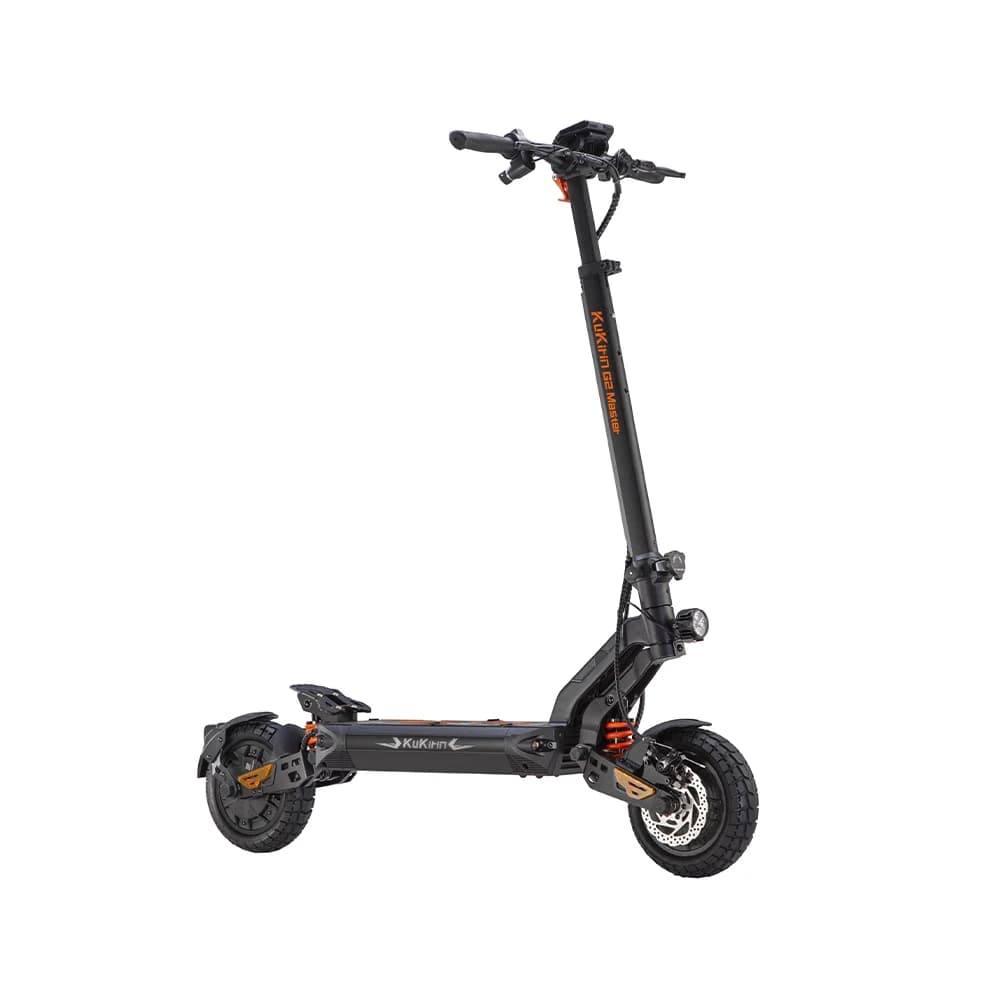
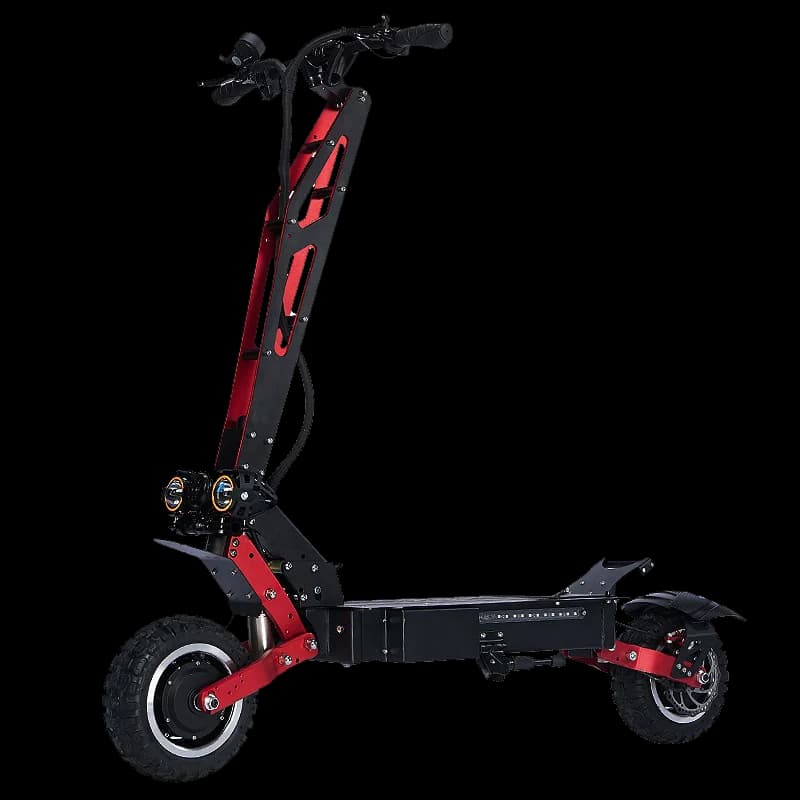
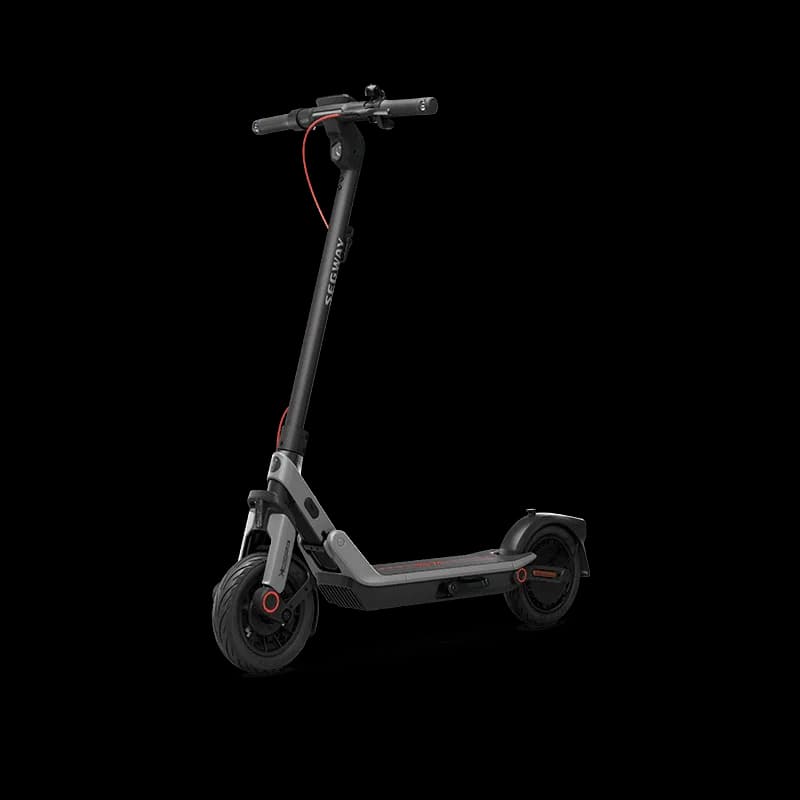
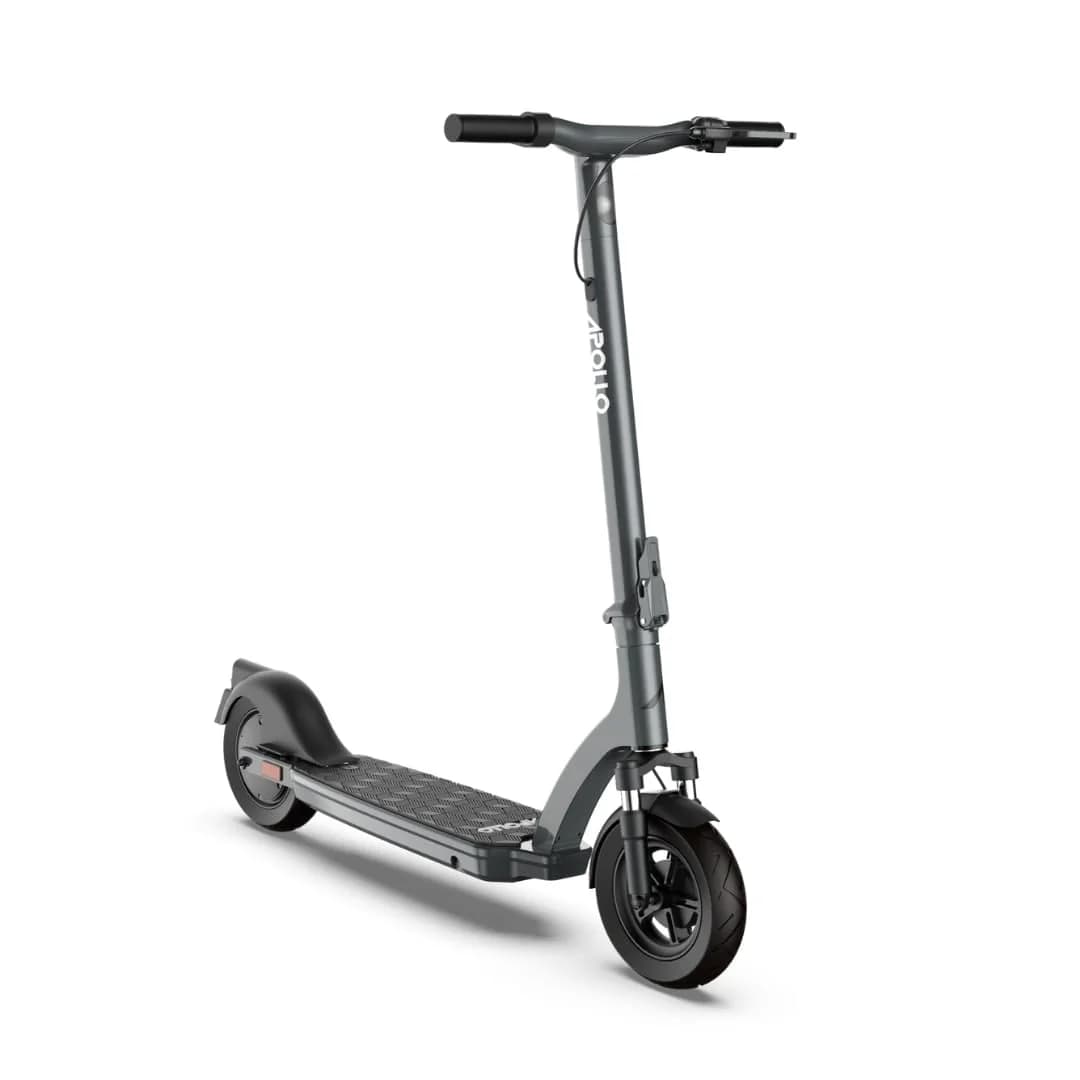
Apollo Air 2024 vs Engwe Y1000
Side-by-side comparison · Specs, scores & AI verdict

Too close to call — scores within 5 points
Why choose one over the other?
Apollo Air 2024 leads overall (53 vs 53/100). Apollo Air 2024 pulls ahead most on Safety (57 vs 0); Engwe Y1000 answers on Power & Speed (97 vs 53).
Apollo Air 2024 wins on
- •Safety: 57 vs 0
- •Build Quality: 57 vs 0
- •Portability: 67 vs 16
- •Tech: 50 vs 15
- •Comfort: 36 vs 16
Engwe Y1000 wins on
- •Power & Speed: 97 vs 53
- •Range: 98 vs 58
Choose the Apollo Air 2024 if safety matters most; choose the Engwe Y1000 if you prioritise power & speed.
| Spec | Apollo Air 2024 | Engwe Y1000 |
|---|---|---|
⚡ Drivetrain | ||
| Peak Power | 800 W | — |
| Continuous Power | 500 W | 2.1 kW ✓ |
| Max Torque | — | 28 Nm |
| Top Speed | 33.8 km/h | 60 km/h ✓ |
| Max Incline | 15 ° | — |
| Drive Config | Rear | Dual |
| Dual Motors | ✗ | ✓ |
🔋 Battery & Range | ||
| Battery Capacity | 540 Wh | 1170 Wh ✓ |
| Amp Hours | 15 Ah | — |
| Charge Time | 7 h | 6 h ✓ |
| Claimed Range | 54.7 km | 100 km ✓ |
| Cell Chemistry | Li-ion | — |
| Removable Battery | ✗ | ✗ |
| Regen Braking | ✓ | — |
📐 Size & Portability | ||
| Weight | 18.6 kg ✓ | 31.6 kg |
| Max Payload | 120.2 kg ✓ | 120 kg |
| Deck Length | 47.5 cm | — |
| Deck Width | 20.1 cm | — |
| Ground Clearance | 8.9 cm | — |
| Foldable | ✓ | ✓ |
🛤️ Ride Comfort | ||
| Wheel Diameter | 10" | 10" |
| Pneumatic Tires | ✓ | ✓ |
| Puncture Resistant | ✓ | — |
| Suspension | Front | — |
| Adjustable Susp. | ✗ | — |
| Seat | ✗ | ✗ |
🛡️ Safety | ||
| Front Brake | Drum | — |
| Rear Brake | None | — |
| Front Lights | ✓ | — |
| Rear Lights | ✓ | — |
| Turn Signals | ✓ | — |
| IP Rating | IP66 | — |
| Kids' Scooter | ||
📱 Tech & Smart | ||
| Companion App | ✓ | ✓ |
| Riding Modes | — | — |
| Cruise Control | ✓ | — |
| OTA Updates | ✓ | — |
| NFC Anti-Theft | ✗ | — |
| GPS Tracking | ✗ | — |
| Warranty | — | — |
📝 Our Verdict
The biggest measurable difference: build quality — the Apollo Air 2024 leads by 57 points. Both scooters score closely overall, making this a genuine toss-up on raw performance. For riders who prioritise speed, the Engwe Y1000 is the clear choice.
Apollo Air 2024 vs Engwe Y1000 — Apollo Air 2024
The Apollo Air 2024 (53/100) and Engwe Y1000 (53/100) score nearly the same overall. The Engwe Y1000 leads on claimed range (100 km vs 55 km for the Apollo Air 2024).