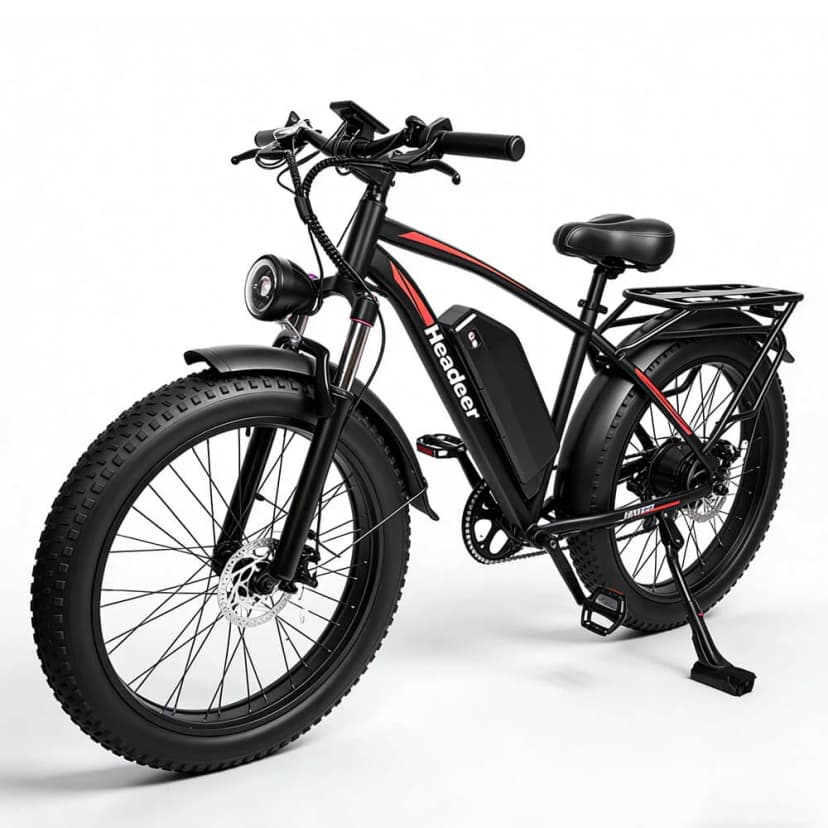
BD2640
E-bike rules vary by country. Check the rules in your country →

Price History & Offers
Available Offers
Prices updated automatically
* Affiliate links — we may earn a commission at no extra cost to you.
Key Strengths
- ✓Top speed of 45.0 km/h outpaces the fat-tire peer average of 38.3 km/h by 17.5 %
- ✓Large 1 037 Wh battery pack provides robust energy storage compared to typical 800–1 000 Wh setups
- ✓Priced at $999, it sits within 5 % of the subcategory average price ($954), offering high specs for a mid-range cost
Main Drawbacks
- ✕Range is limited to 80 km versus the 108.9 km subcategory average (–27 %)
- ✕No companion app or GPS tracking, lagging behind tech features common in this segment
- ✕Key safety components (suspension, brakes) are unspecified, reducing confidence versus peers with detailed specs
Our Verdict
"The HEADEER BD2640 gets the basics right but faces stiff competition at this price point. Worth considering if the price is right."
Best Suited For:
Accessories for the HEADEER BD2640
Verified compatible gear · essential picks
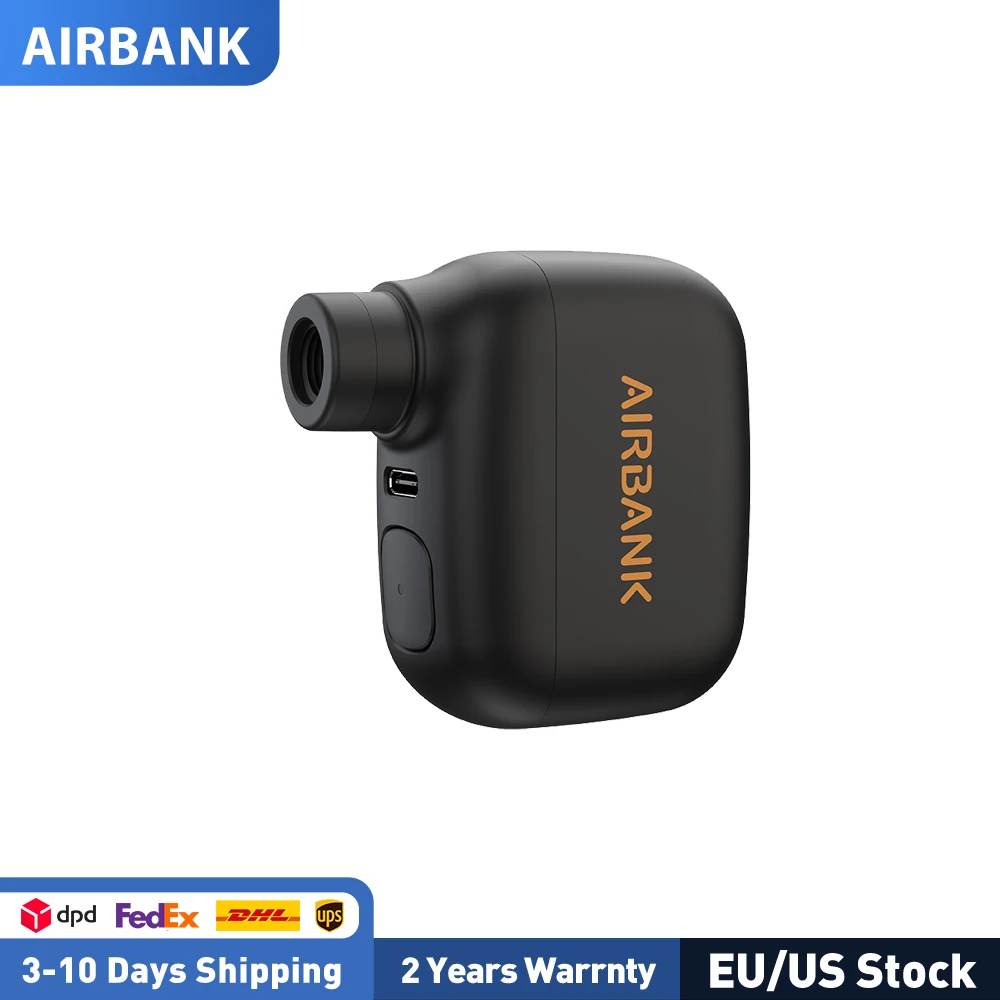
maintenance
AIRBANK Pocket SE Mini Portable Electric Pump For Bicycle Cordless Tire Presta Schrader Valve Bike Accessories Fast Charging
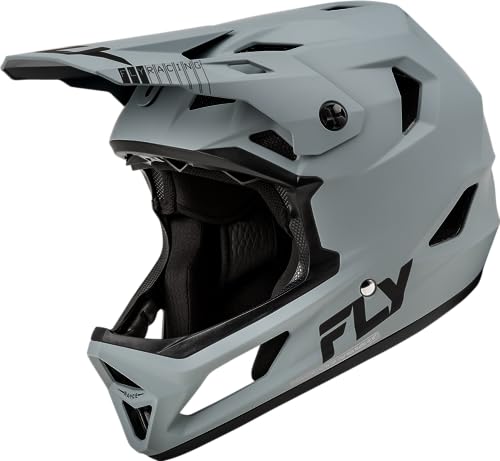
protection
Fly Racing Rayce MTB/BMX Bicycle Helmet (Matte Grey, Large)
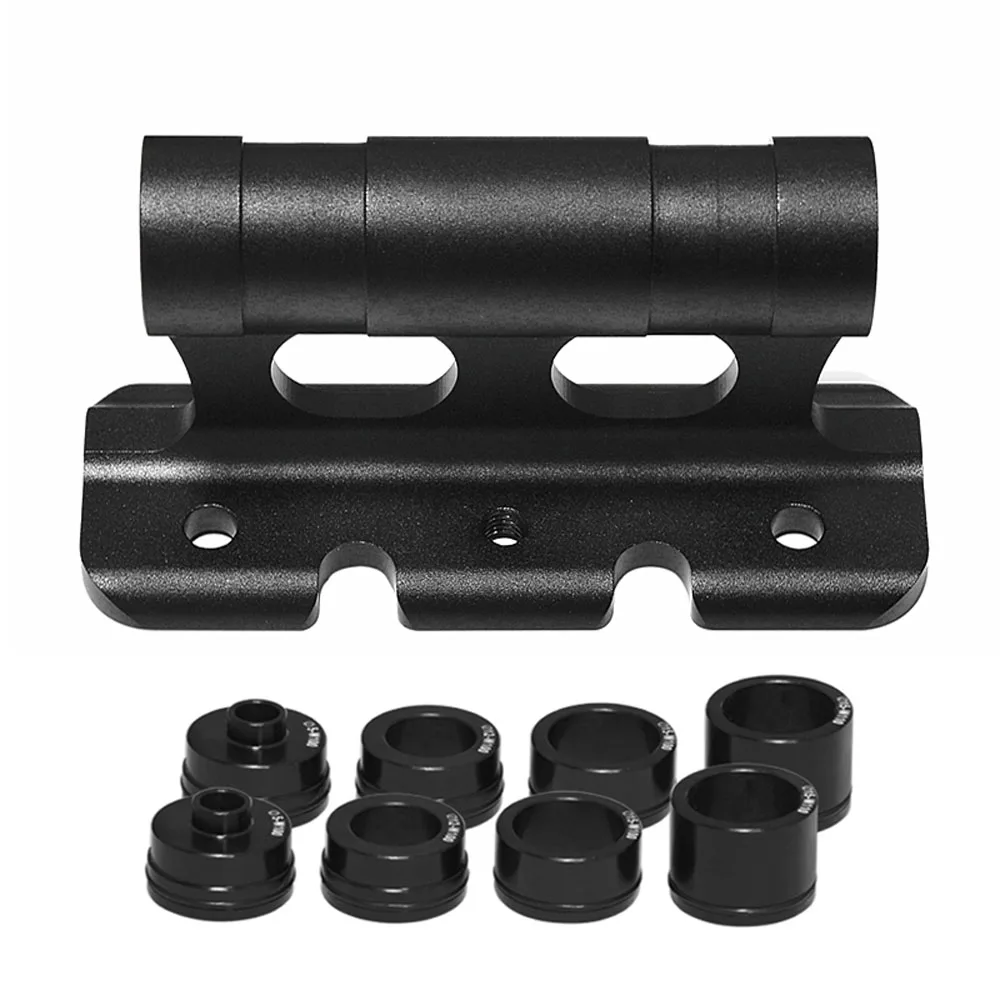
storage
Bike Fork Mount Quick Release Thru Axle Carriers Front Fork Block Car Roof Rack Carriers for 5x100mm 12x100mm 15x100mm 15x110mm

mounts
Motorcycle Electric Bike Mobile Phone Holder Aluminum Handlebar Bicycle Riding Bracket GPS Mount Phone Holder W/ Shock Absorber
Score Breakdown
How we calculate Range & Efficiency
Scores 35/100 vs. other fat-tire subcategory peers.
How we calculate Motor Performance
Scores 45/100 vs. other fat-tire subcategory peers.
How we calculate Ride Comfort
Scores 51/100 vs. other fat-tire subcategory peers.
How we calculate Build Quality
Scores 43/100 vs. other fat-tire subcategory peers.
How we calculate Portability
Scores 49/100 vs. other fat-tire subcategory peers.
How we calculate Tech & Features
Scores 45/100 vs. other fat-tire subcategory peers.
Final ScooterRank Rating · 6 dimensions
44/100
Full Specifications
⚡ Motor & Assistance
🏔️ Suspension
⚙️ Drivetrain
🛑 Brakes
How long will the battery last for you?
Rider Weight
HEADEER BD2640 Fat-Tire E-Bike: Mighty Power & Range
The HEADEER BD2640 merges rugged off-road capability with commuter practicality in a sub-$1,000 package. Its 1037 Wh battery supports up to 80 km of theoretical range and a 45 km/h top speed, giving riders the confidence for daily commutes or weekend trail excursions. At 36.1 kg, it strikes a balance between fat-tire traction and manageable heft, while the absence of suspension shifts reliance to wide tires for shock absorption. This no-frills design keeps costs down without compromising core performance. Whether you’re navigating urban streets that double as gravel shortcuts or tackling light singletrack, understanding how weight, assist levels, and riding style impact real-world range and comfort is key. Below, we explore practical tips to optimize your rides and highlight trade-offs to help you decide if the BD2640 aligns with your e-bike needs.
Real-World Range: Maximizing Your 80 km Battery Life
While the BD2640’s 1037 Wh battery claims an 80 km range, real-world results typically fall between 60–70 km under mixed urban and light off-road conditions. Factors like rider weight, terrain grade, assist level, and speed influence consumption. Heavier riders or steep hills reduce it by 15–20%, while eco modes can extend rides by 10–15%. To squeeze out every kilometer, maintain tire pressure at 20–25 psi, avoid rapid acceleration, and select a lower power assist on flat sections. Planning routes with minimal elevation gain and performing regular battery health checks guarantee consistent performance on each outing.
Comfort vs. Cost: Riding a Rigid Fat-Tire Frame
Forgoing suspension saves weight and cost on the BD2640, but places comfort squarely on its 4-inch wide fat tires. These balloon tires absorb bumps on gravel paths and urban potholes, yet vibrations still transmit through a 36.1 kg frame. Riders averaging 70 kg will notice firmer feedback at speeds above 25 km/h. Investing in ergonomic grips and a suspension seatpost can soften the ride without adding significant expense. Regularly checking tire pressure and swapping to puncture-resistant liners strikes a balance between comfort, maintenance, and the BD2640’s aggressive price tag, ensuring enjoyable journeys on varied terrain.
Rider Reviews
No written reviews yet — be the first to help other riders.
Common Questions — HEADEER BD2640
At 44/100, the HEADEER BD2640 scores below the fat-tire average. Better-scoring options exist at similar prices — see our fat-tire rankings for alternatives.
The HEADEER BD2640 has a claimed top speed of 45 km/h (28 mph). This is above average for fat-tire scooters (avg 37 km/h).
The manufacturer claims 80 km (50 mi) of range per charge. Real-world range will vary with rider weight, speed, terrain, and temperature.
The HEADEER BD2640 weighs 36.1 kg (80 lbs). It is heavier than the fat-tire average of 30.71 kg.
The HEADEER BD2640 features a hub drive rear motor, rated at 750W nominal power.
The HEADEER BD2640’s 1037 Wh battery provides up to 80 km of range under ideal conditions. In mixed urban and light off-road riding you can expect 60–70 km per charge. Variables like rider weight, terrain gradient, and assist level can reduce range by 10–20%. Using eco assist modes, maintaining tire pressure, and avoiding rapid acceleration will help you approach the 80 km maximum on each outing.
Yes, the BD2640’s 4-inch fat tires and rigid frame handle gravel paths, dirt roads, and light singletrack. However, lacking suspension means rougher terrain may feel harsh at higher speeds. For sustained off-road use, stick to smoother trails or add accessories like a suspension seatpost and ergonomic grips. Its 36.1 kg weight and 45 km/h top speed balance stability and agility, making it ideal for mixed-surface rides rather than aggressive downhill or technical mountain biking.
The BD2640 demands routine upkeep: lubricate the chain every 250–300 km, check tire pressure (20–25 psi) before each ride, and inspect fat‐tire treads for wear. Brake pads should be examined monthly, and cables adjusted as needed. Keep the battery clean, avoid full discharges, and store it at around 50% charge for extended periods. Annual safety checks by a qualified e-bike technician ensure components like the motor and electrical connectors remain in top condition.