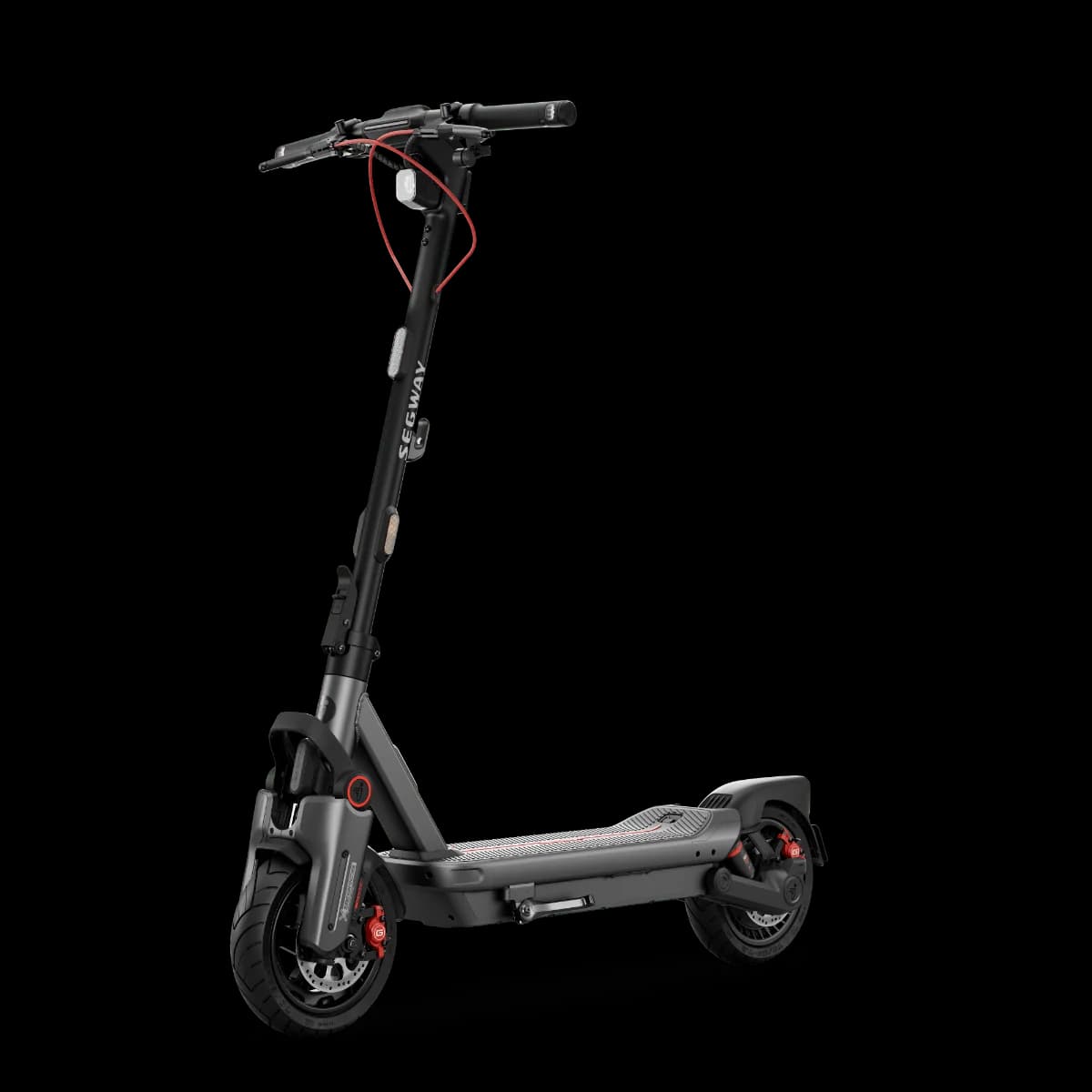
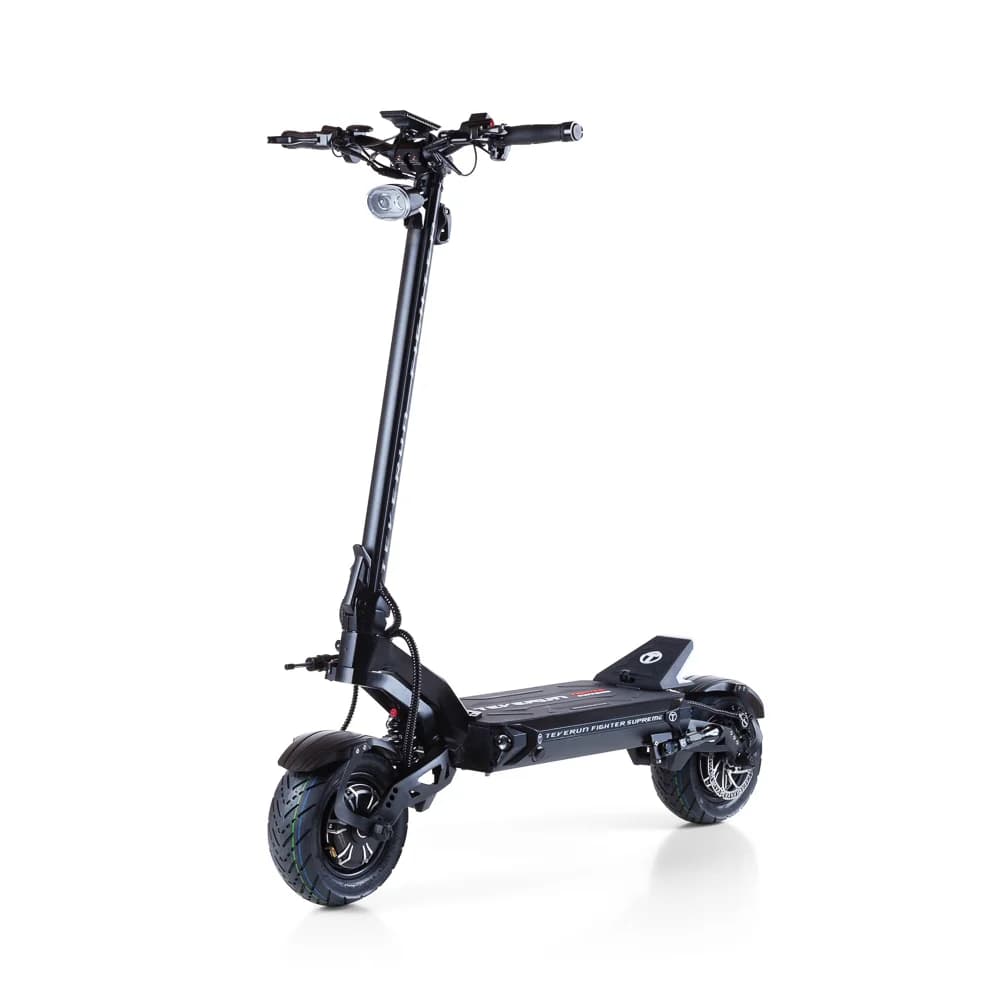
Y400
E-scooter speed and power limits vary by country. Check the rules in your country →

Price History & Offers
Available Offers
Prices updated automatically
Engwe Official Store
10% ON ALL PRODUCTS
Check Price →Amazon Store
Compare on Amazon
Check Price →* Affiliate links — we may earn a commission at no extra cost to you.
Key Strengths
- ✓Competitive range of 50.0 km, which is closer to the average of 63.6 km, making it suitable for moderate commutes.
- ✓Price of $989.00 is significantly lower than the category average of $1390.06, offering good value for budget-conscious consumers.
- ✓Weight of 24.60 kg is lighter than the average of 26.80 kg, making it easier to handle and transport.
Main Drawbacks
- ✕Top speed of 25.0 km/h is much lower than the average of 43.9 km/h, limiting its capability for faster travel.
- ✕Lack of information on peak power and braking system compromises understanding of performance and safety.
- ✕Front suspension only may lead to reduced comfort compared to scooters that offer both front and rear suspension.
Our Verdict
"The Engwe Y400 gets the basics right but faces stiff competition at this price point. Worth considering if the price is right."
Best Suited For:
Accessories for the Engwe Y400
Verified compatible gear · essential picks
maintenance
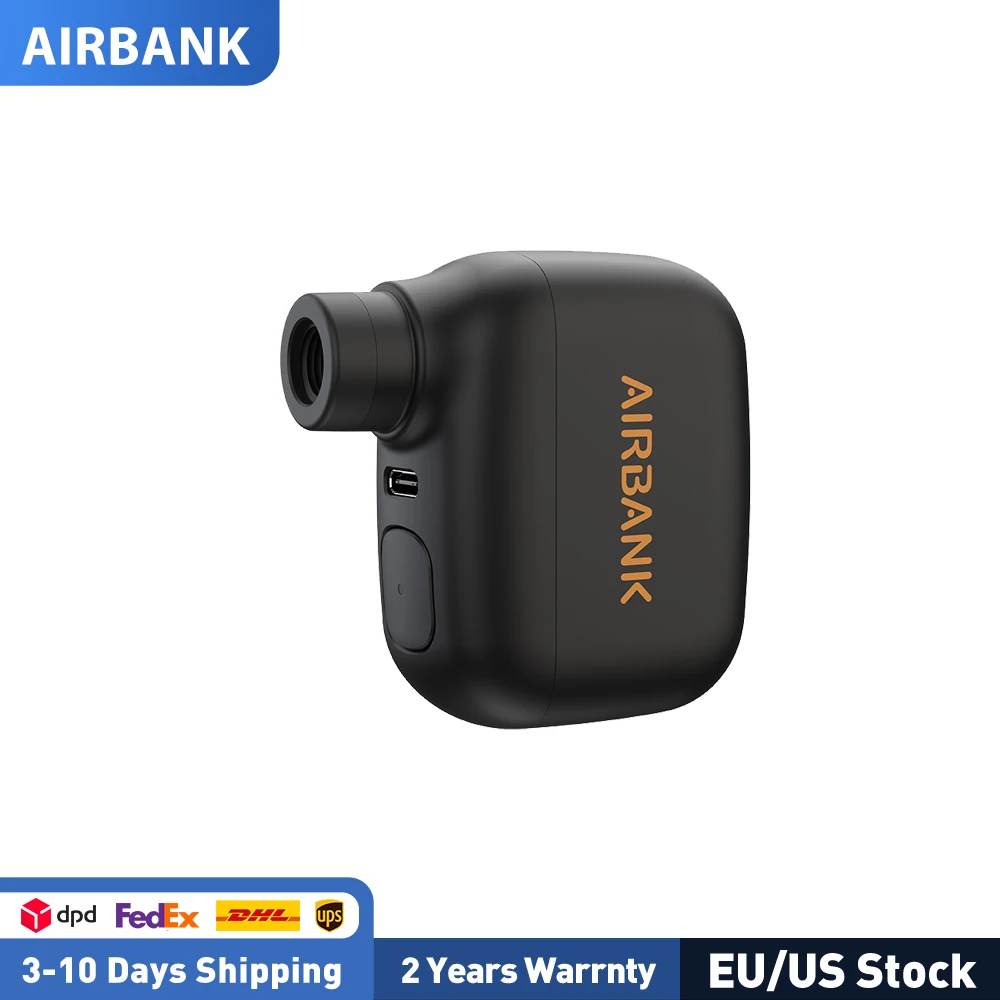
AIRBANK Pocket SE Mini Portable Electric Pump For Bicycle Cordless Tire Presta Schrader Valve Bike Accessories Fast Charging
storage
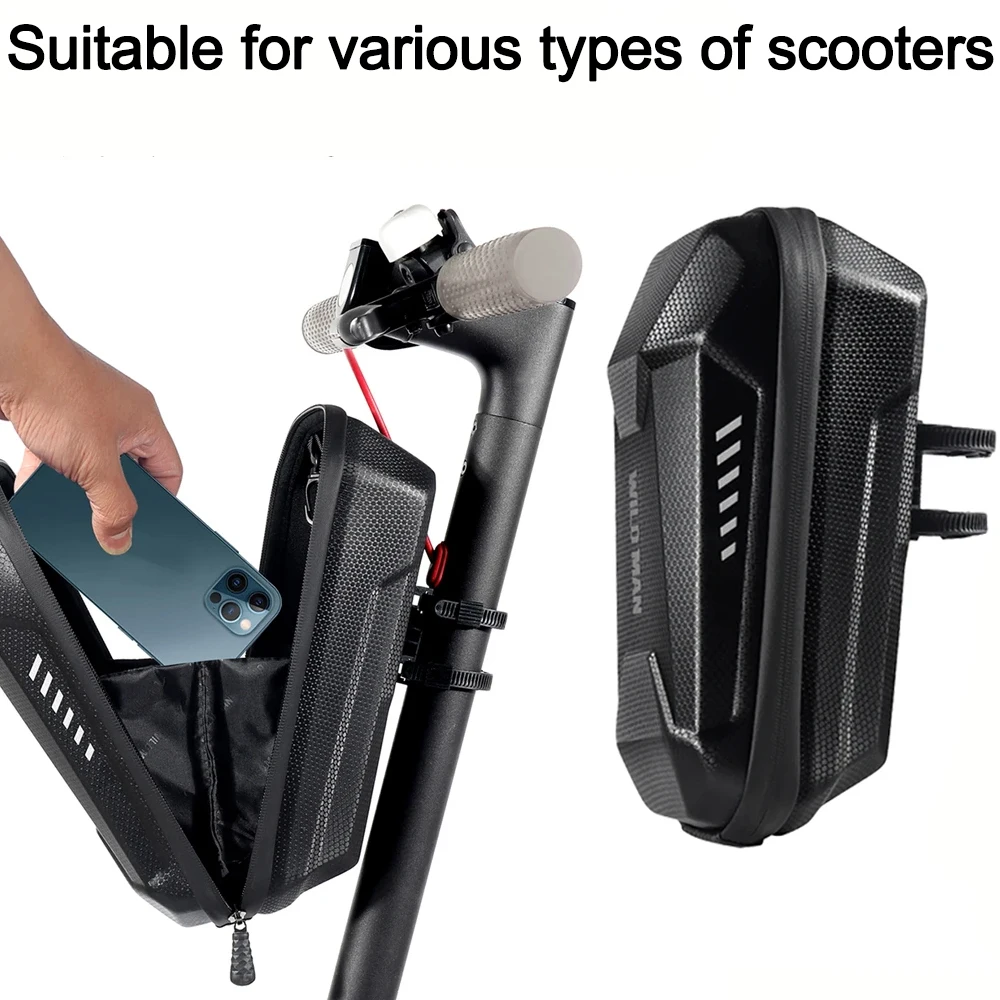
4-2L WILD MAN Electric Scooter Front Storage Bag Hard Shell Bag Large Capacity Waterproof Skateboard Hanging Case for M365 Pro
protection
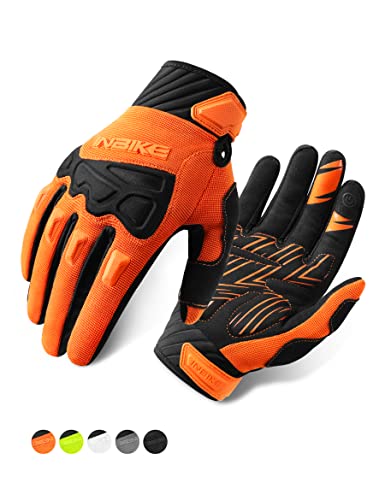
INBIKE Mountain Bike Gloves for Men Knuckle Guard Padded Cycling Gloves
protection
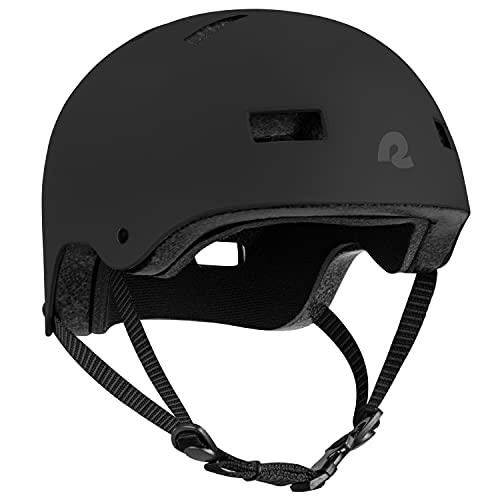
Retrospec Dakota Protective Bike Helmet, Skateboard, Scooter, Adults/Youth
📱 Track your rides on the Engwe Y400 with the ScooterRank app (Android). See how it works →
How long will the battery last for you?
Rider Weight
Score Breakdown vs. Electric Scooter Average
How we calculate Power & Speed
Beats approximately 5% of performance scooters on this metric.
⚠️Partial data — 50% of spec fields available. Score may shift as more data is added.
How we calculate Real-World Range
Beats approximately 1% of performance scooters on this metric.
How we calculate Ride Comfort
Beats approximately 24% of performance scooters on this metric.
⚠️Partial data — 67% of spec fields available. Score may shift as more data is added.
How we calculate Portability
Beats approximately 100% of performance scooters on this metric.
How we calculate Safety
Scores 0/100 based on safety/tech features.
⚠️Limited data — 0% of spec fields available. Score may shift as more data is added.
How we calculate Tech & Features
Scores 15/100 based on safety/tech features.
⚠️Limited data — 14% of spec fields available. Score may shift as more data is added.
How we calculate Build Quality
Scores 8/100 based on IP rating, brake type, and suspension quality.
⚠️Limited data — 25% of spec fields available. Score may shift as more data is added.
How we calculate Value for Money
ℹ️ Value for Money is displayed for reference only. It compares score-per-dollar against subcategory peers — higher price for the same performance means a lower value rank. This metric does not affect the Overall Score.
Offers better value than 62% of performance scooters (score per dollar). Informational — not part of the overall score.
Final ScooterRank Rating · 7 dimensions
18/100
Full Specifications
Engwe Y400 Electric Scooter: Real-World Review & Insights
In a crowded entry-level market, the Engwe Y400 brings a 499 Wh battery, pneumatic tires, and front spring suspension to promise a stable 50 km range for under $1,000. While its 25 km/h top speed and spec-range match many commuter scooters, a 24.6 kg weight and 8-hour charge cycle reveal trade-offs between portability and convenience. This review breaks down where the Y400 shines in real-world conditions, how its suspension handles urban streets, and what maintenance routines avoid unexpected downtime. Read on for a clear view of performance, ownership costs, and whether the Engwe Y400 aligns with your daily commute.
Real-World Range and Riding Conditions
Engwe’s 50 km spec-range assumes flat terrain and a lightweight rider. In practice, an 80 kg rider tackling mixed city streets will average 30–35 km per charge. Riding exclusively in eco mode on smooth roads can push closer to 45 km, but switching to sport or tackling hills drops range below 30 km. Battery health, frequent accelerations, and stop-start traffic also play a role. Planning for a 20–30% buffer ensures you won't be caught off guard, especially when charging infrastructure is sparse.
Balancing Portability, Speed, and Price
At 24.6 kg, the Y400 sits above the average 20–22 kg commuter scooter. Its folding mechanism is sturdy, but lifting it onto transit or carrying upstairs requires a solid grip. If you need an affordable, comfortable ride and can plan charging overnight, the trade-offs may be acceptable.
Rider Reviews
No written reviews yet — be the first to help other riders.
Frequently Asked Questions — Engwe Y400
The Engwe Y400 has a claimed top speed of 25 km/h (16 mph). This is below the performance average of 47 km/h.
The manufacturer claims 50 km (31 mi) of range per charge. Real-world range will vary with rider weight, speed, terrain, and temperature.
The Engwe Y400 weighs 24.6 kg (54 lbs). It is lighter than the performance average of 28.56 kg — good for portability.
At 18/100, the Engwe Y400 scores below the performance average. This is 30 points below the performance average. Better-scoring options exist at similar prices — see our performance rankings for alternatives.
The Engwe Y400 is rated for up to 50 km on a single charge with its 499 Wh battery. In real-world urban commutes—factoring hills, stop-start traffic, and an 80 kg rider—you’ll generally see around 30–35 km. Riding in eco mode on flat roads can push closer to the claimed spec, but performance modes and heavier loads will reduce distance accordingly.
With a 25 km/h top speed and stable suspension, the Engwe Y400 fits moderate daily commutes under 30 km. It offers decent comfort and a solid 499 Wh battery, but its 24.6 kg weight and slower 8-hour recharge mean it’s less ideal for riders who must carry it frequently or need quick turnarounds. Spend near $989 for a balanced but not premium solution.
Pneumatic tires on the Engwe Y400 require regular pressure checks and occasional tube inspections. Inflate tires to the manufacturer’s recommended PSI—usually 45–50 PSI—for optimal performance. Every 200–250 km, examine both inner and outer layers for punctures, and apply a sealant if needed. Proper maintenance ensures ride comfort and reduces unexpected flats on urban routes.