Available Offers
Prices updated automatically
* Affiliate links — we may earn a commission at no extra cost to you.
Key Strengths
- ✓Exceptional portability with a weight of 11.30 kg, significantly lighter than the category average of 25.67 kg.
- ✓A top speed of 16.1 km/h, although lower than average, allows for a decent commuting experience.
- ✓Affordable choice for short distances with a range of 11.3 km, convenient for urban commutes.
Main Drawbacks
- ✕Overall score of 15.99 is substantially below the category average of 42.9, indicating poor performance across multiple areas.
- ✕Lacks comfort features, having no suspension which impacts ride quality, particularly on rough terrain.
- ✕Safety is a major concern with a score of only 30.00, along with braking limitations from the front drum brakes and no rear brakes.
Our Verdict
"The Gotrax Comet gets the basics right but faces stiff competition at this price point. Worth considering if the price is right."
Best Suited For:
How long will the battery last for you?
Rider Weight
Score Breakdown vs. Electric Scooter Average
How we calculate Power & Speed
Beats approximately 2% of commuter scooters on this metric.
⚠️Partial data — 50% of spec fields available. Score may shift as more data is added.
How we calculate Real-World Range
Beats approximately 2% of commuter scooters on this metric.
How we calculate Ride Comfort
Beats approximately 0% of commuter scooters on this metric.
How we calculate Portability
Beats approximately 100% of commuter scooters on this metric.
How we calculate Safety
Scores 28/100 based on safety/tech features.
⚠️Partial data — 67% of spec fields available. Score may shift as more data is added.
How we calculate Tech & Features
Scores 0/100 based on safety/tech features.
How we calculate Build Quality
Scores 8/100 based on IP rating, brake type, and suspension quality.
⚠️Partial data — 75% of spec fields available. Score may shift as more data is added.
How we calculate Value for Money
ℹ️ Value for Money is displayed for reference only. It compares score-per-dollar against subcategory peers — higher price for the same performance means a lower value rank. This metric does not affect the Overall Score.
⚠️Partial data — 50% of spec fields available. Score may shift as more data is added.
Final ScooterRank Rating · 7 dimensions
15/100
Full Specifications
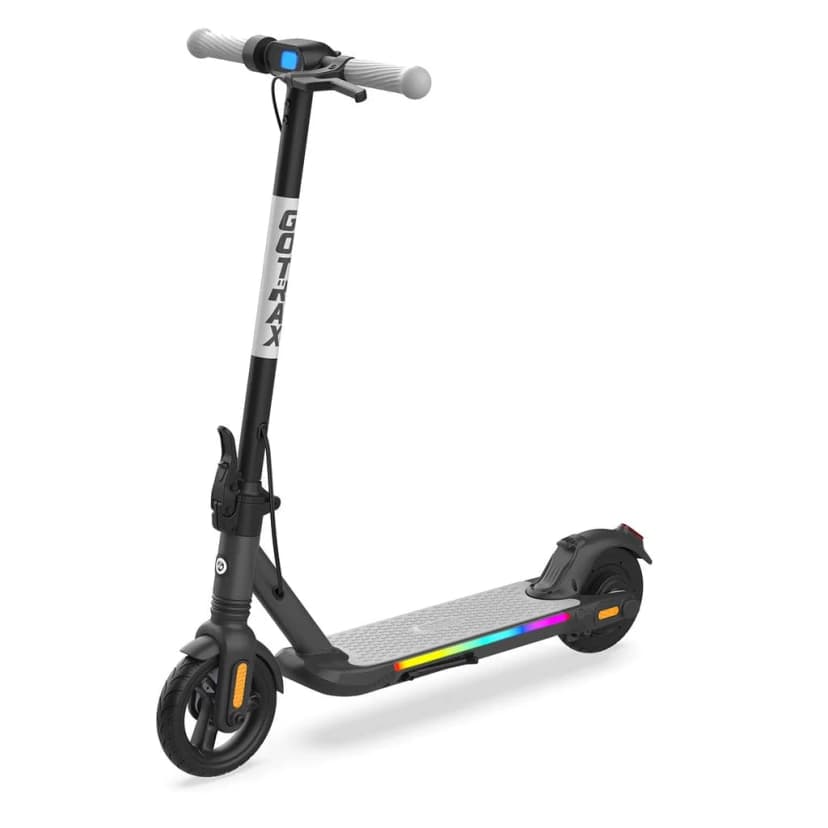
Gotrax Comet: Ultra-Light Scooter for Short Urban Trips
Navigating bustling city streets or hopping onto public transit demands an e-scooter that blends portability with enough power to handle short hops between stops. The Gotrax Comet stands out at just 11.3 kg, the lightest fully electric model in its price range. Boasting a top speed of 16.1 km/h and an advertised range of 11.3 km, it excels as a first- and last-mile runner for commuters who need to carry their ride up stairs or tuck it in tight car trunks. Without pneumatic tires or suspension, its solid build and simple design minimize maintenance, but they also mean a firm ride best reserved for smooth pavements. If you prioritize ease of transport over long-distance cruising, the Comet delivers a no-frills, ultra-portable solution. Its 5.5 hour charge time unlocks quick turnarounds between shifts, making it a hassle-free pick for urban workers.
Real-World Range: Expect 8–10 km, Not 11.3 km
Gotrax’s official 11.3 km range assumes an ideal tester weight and flat terrain. In everyday use, factors like rider weight over 80 kg, frequent stops, hills and higher speeds reduce this to around 8–10 km per charge. Urban commutes with multiple stop-and-go sections or slight inclines can cut overall distance by 15–20 percent. To maximize mileage, maintain a steady pace near 12 km/h, avoid aggressive accelerations, and keep the deck free of clutter. If your commute exceeds 7 km one-way, consider a backup battery pack or a scooter with at least a 200 Wh cell.
Portability vs. Comfort: When Lightweight Means a Firm Ride
At just 11.3 kg and a perfect 10/10 portability score, the Gotrax Comet excels at effortless carry and storage—ideal for commuters hopping on trains or carrying it upstairs. Its compact folded size fits small lockers or car trunks with room to spare. This portability, however, comes from sacrificing suspension and pneumatic tires: the solid 6-inch wheels transmit every bump on uneven pavements, resulting in a firm, vibration-heavy ride. For smooth sidewalks and flat bike lanes, the trade-off is acceptable. Riders seeking more cushion or off-road ability should explore models with air-filled tires and shock absorbers.
Rider Reviews
No written reviews yet — be the first to help other riders.
Frequently Asked Questions — Gotrax Comet
The Gotrax Comet has a claimed top speed of 16.1 km/h (10 mph). This is below the commuter average of 46 km/h.
The manufacturer claims 11.3 km (7 mi) of range per charge. Real-world range will vary with rider weight, speed, terrain, and temperature.
The Gotrax Comet weighs 11.3 kg (25 lbs). It is lighter than the commuter average of 28.05 kg — good for portability.
At 15/100, the Gotrax Comet scores below the commuter average. This is 32 points below the commuter average. Better-scoring options exist at similar prices — see our commuter rankings for alternatives.
The Gotrax Comet weighs just 11.3 kg, making it one of the lightest electric scooters on the market. This lightweight design simplifies carrying it up stairs, onto public transport or storing it in tight spaces. Its minimal weight also contributes to agile handling on smooth urban pavements, though you’ll feel more road feedback without suspension dampening.
The Gotrax Comet offers a top speed of 16.1 km/h and an official 11.3 km range, ideal for short, flat commutes under 10 km one-way. Its lightweight 11.3 kg build makes it easy to carry on multi-modal trips, but without suspension or pneumatic tires, it’s best on smooth city sidewalks. If your route involves hills or rough terrain, consider a heavier, more powerful model.
Maintenance on the Gotrax Comet is minimal due to its solid tires and simple design. Wipe down the deck and stem weekly to remove dust and moisture. Inspect and tighten folding joints and nuts monthly to prevent rattles. Check brake responsiveness every two weeks, and fully charge the 54 Wh battery at least once a week if you ride less frequently. There’s no need for tire inflation, but replace the solid wheels when you see cracking or significant wear.