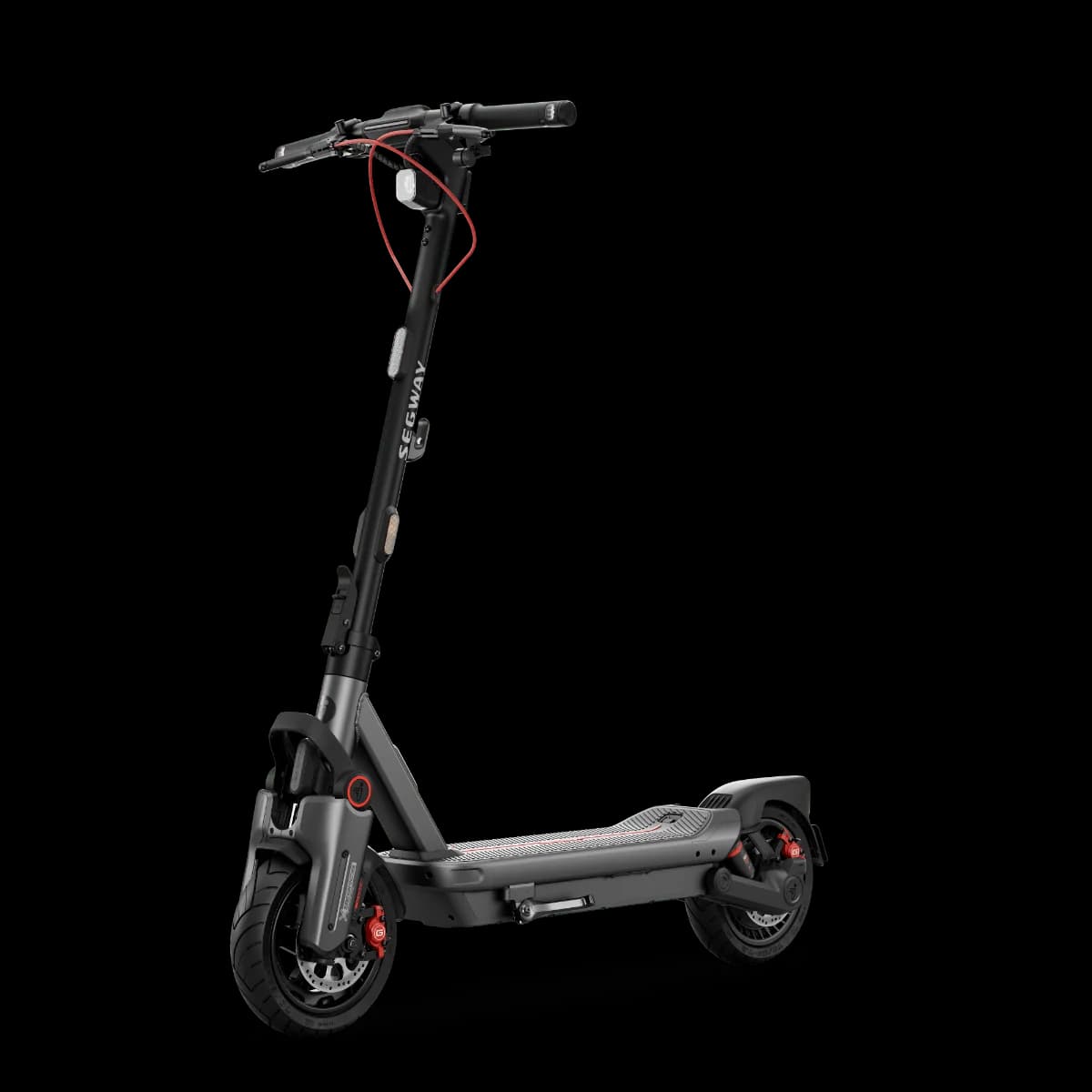
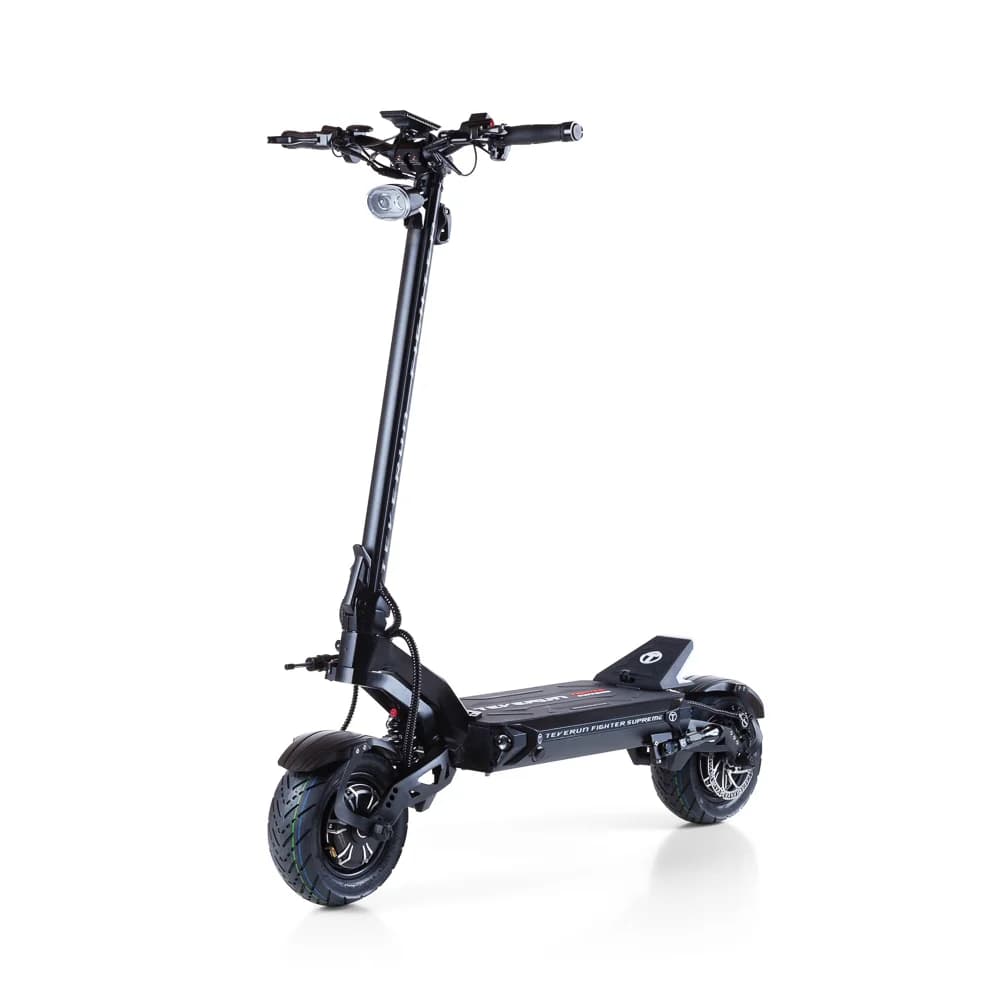
Cruiser
E-scooter speed and power limits vary by country. Check the rules in your country →

Price History & Offers
Available Offers
Prices updated automatically
* Affiliate links — we may earn a commission at no extra cost to you.
Key Strengths
- ✓Top speed of 50.0 km/h which is significantly higher than the category average of 43.1 km/h, providing an exhilarating ride.
- ✓Impressive range of 100.0 km, greatly surpassing the average range of 62.0 km in its category, making it suitable for long-distance commutes.
- ✓Competitive pricing at $593.00, well below the average price of $1360.34, offering great value for features provided in performance.
Main Drawbacks
- ✕Heavier than average at 23.00 kg compared to the category average of 26.21 kg, which could hinder portability.
- ✕Lacks clarity on peak power and suspension details, making it difficult to evaluate its performance and comfort fully.
Our Verdict
"The Emove Cruiser gets the basics right but faces stiff competition at this price point. Worth considering if the price is right."
Best Suited For:
Accessories for the Emove Cruiser
Verified compatible gear · essential picks
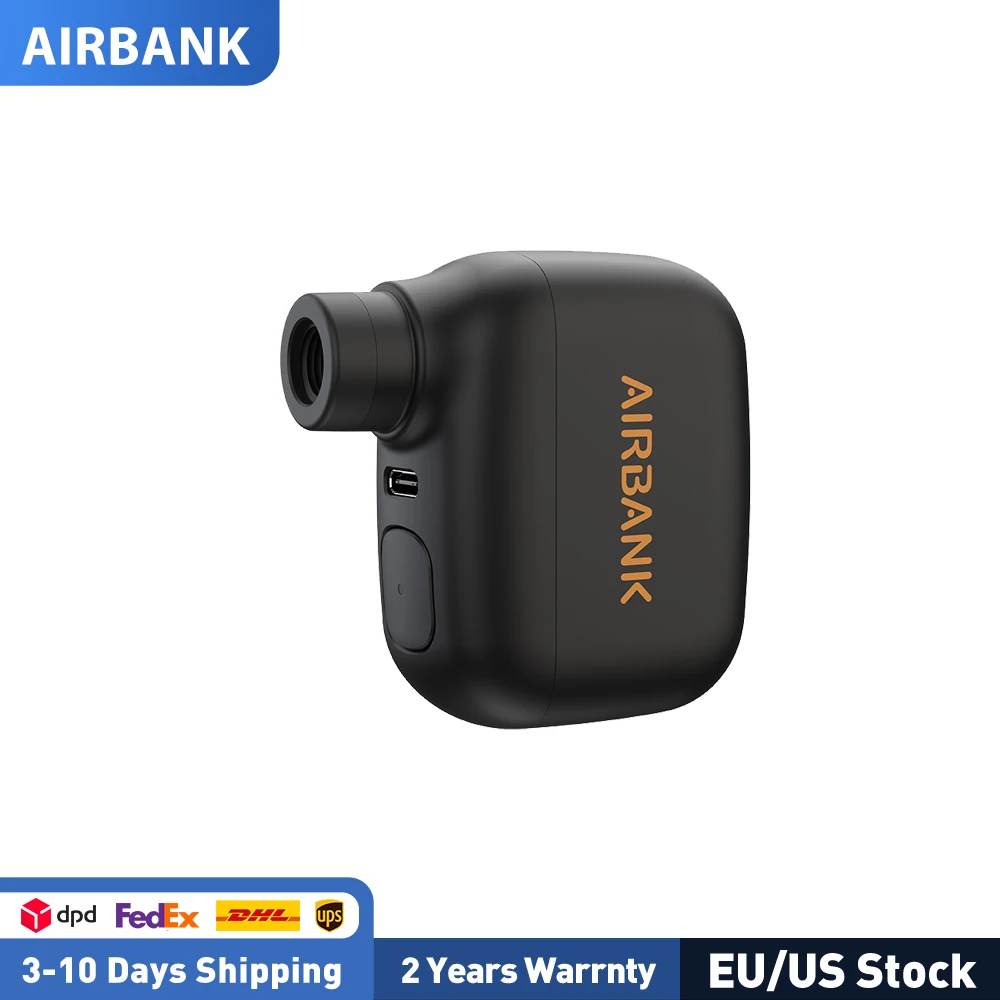
maintenance
AIRBANK Pocket SE Mini Portable Electric Pump For Bicycle Cordless Tire Presta Schrader Valve Bike Accessories Fast Charging

protection
POC Joint VPD Air Knee - Lightweight MTB Knee Pads for Mountain Biking, Trail and Enduro, Low-Profile VPD Air Protection

security
WEST BIKING Foldable Bicycle Lock Security Anti-theft Cycling Lock MTB Road Bicycle Accessories Scooter Electric Bike Chain Lock
![Findway Pro Bike Helmet for Adults,Adjustable Cycling Helmet for Men & Women [Safety Certified] Bicycle Helmet for Commuting, Road Biking, Skating with Adjustable Dial](https://m.media-amazon.com/images/I/41gE51TVTIL._SL500_.jpg)
protection
Findway Pro Bike Helmet for Adults,Adjustable Cycling Helmet for Men & Women [Safety Certified] Bicycle Helmet for Commuting, Road Biking, Skating with Adjustable Dial
📱 Track your rides on the Emove Cruiser with the ScooterRank app (Android). See how it works →
How long will the battery last for you?
Rider Weight
Score Breakdown vs. Electric Scooter Average
How we calculate Power & Speed
Beats approximately 62% of scooters in this category on this metric.
⚠️Partial data — 50% of spec fields available. Score may shift as more data is added.
How we calculate Real-World Range
Beats approximately 81% of scooters in this category on this metric.
How we calculate Ride Comfort
Beats approximately 11% of scooters in this category on this metric.
⚠️Limited data — 33% of spec fields available. Score may shift as more data is added.
How we calculate Portability
Beats approximately 71% of scooters in this category on this metric.
How we calculate Safety
Scores 0/100 based on safety/tech features.
⚠️Limited data — 0% of spec fields available. Score may shift as more data is added.
How we calculate Tech & Features
Scores 15/100 based on safety/tech features.
⚠️Limited data — 14% of spec fields available. Score may shift as more data is added.
How we calculate Build Quality
Scores 0/100 based on IP rating, brake type, and suspension quality.
⚠️Limited data — 0% of spec fields available. Score may shift as more data is added.
How we calculate Value for Money
ℹ️ Value for Money is displayed for reference only. It compares score-per-dollar against subcategory peers — higher price for the same performance means a lower value rank. This metric does not affect the Overall Score.
Offers better value than 75% of scooters in this category (score per dollar). Informational — not part of the overall score.
Final ScooterRank Rating · 7 dimensions
46/100
Full Specifications
Emove Cruiser: 100 km Range Meets Wallet-Friendly Value
With its massive 1,560 Wh battery and a claimed 100 km range, the Emove Cruiser redefines what budget scooters can do. Priced at $593, it offers one of the largest battery packs in its class, delivering extended endurance for long commutes or multi-leg adventures. However, that muscle comes at the expense of a 12-hour recharge cycle and no suspension system—despite pneumatic tires, you’ll feel every bump. At 23 kg, it sits above the average e-scooter weight, challenging portability but rewarding riders who put range above all. Despite its heft and slower turnaround, the Cruiser delivers unmatched range and strong value—ideal if you prioritize distance over quick stashing or plush ride comfort.
Real-World Range: What 100 km Means on the Road
Emove’s spec sheet boasts 100 km, thanks to its 1,560 Wh battery and 50 km/h top speed. In controlled, flat tests at moderate speeds, you can reach that distance. However, typical urban commuting—with traffic stops, variable terrain, and heavier riders—will yield around 60–80 km per charge. To approach the upper limit, maintain smooth throttle inputs, limit top speed, and avoid aggressive starts. Cooler temperatures and constant high-speed riding further reduce range.
Balancing Comfort and Portability
At 23 kg, the Emove Cruiser isn’t the lightest option—its portability score reflects a sturdy build that trades quick folding for a beefy 1,560 Wh powertrain. Without any suspension, riders report a firm feel despite pneumatic tires. This trade-off means those with smoother, flat routes get the most out of its range, while bumpy streets amplify vibrations. Consider aftermarket cushioning or a rider-friendly accessory kit if you plan longer rides. Ultimately, the Cruiser suits range-first commuters who value distance over plushness and pocket-friendly pricing.
Rider Reviews
No written reviews yet — be the first to help other riders.
Frequently Asked Questions — Emove Cruiser
The Emove Cruiser has a claimed top speed of 50 km/h (31 mph). This is above average for electric scooters (avg 47 km/h).
The manufacturer claims 100 km (62 mi) of range per charge. Real-world range will vary with rider weight, speed, terrain, and temperature.
The Emove Cruiser weighs 23 kg (51 lbs). It is lighter than the electric average of 28.56 kg — good for portability.
At 46/100, the Emove Cruiser scores below the electric scooter average. This is 2 points below the electric scooter average. Better-scoring options exist at similar prices — see our electric scooter rankings for alternatives.
Under typical urban conditions—mixed speeds, stops, and variable terrain—the Emove Cruiser delivers around 60–80 km per charge. Its 1,560 Wh battery and 50 km/h top speed achieve the advertised 100 km only under ideal flat-road testing. To maximize your range, maintain steady speeds, limit harsh accelerations, and avoid carrying heavy loads.
Yes, if your main priority is range and value. With a $593 price tag, 100 km claimed range, and a robust 1,560 Wh battery, the Cruiser easily handles multi-leg commutes. However, at 23 kg without suspension, it can feel firm over uneven surfaces and is slower to fold. It excels on flat routes but might challenge riders seeking plush comfort or rapid portability.
To preserve the Emove Cruiser’s 1,560 Wh battery health, avoid deep discharges below 20% and refrain from leaving it fully drained. Charge it in a cool, dry environment and follow regular charge cycles—ideally topping up after each ride rather than waiting for full depletion. During storage, keep the battery at 40–60% charge and check voltage monthly. This practice extends lifespan and ensures consistent range.