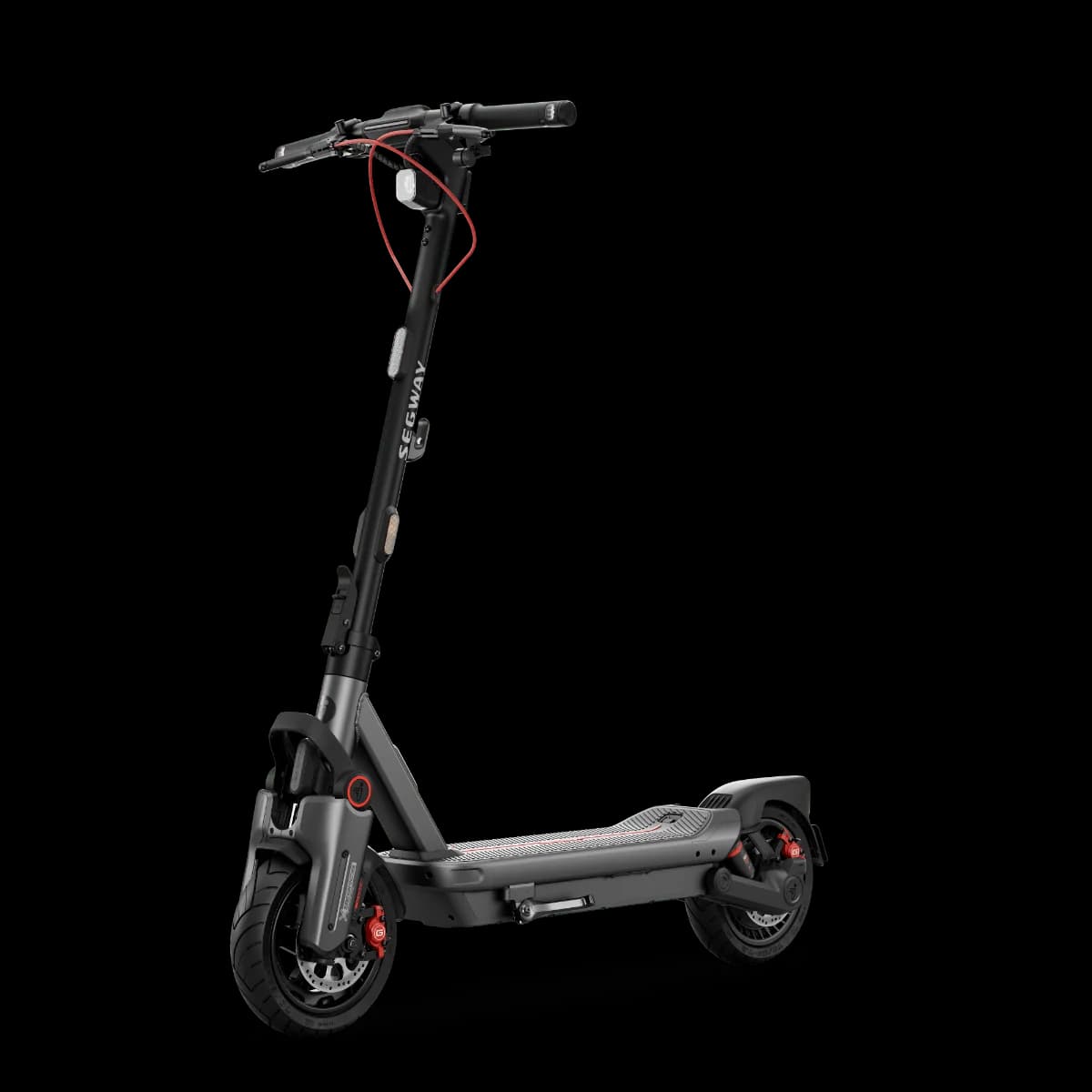
G7 Pro
E-scooter speed and power limits vary by country. Check the rules in your country →

Price History & Offers
Available Offers
Prices updated automatically
* Affiliate links — we may earn a commission at no extra cost to you.
Key Strengths
- ✓The Gotrax G7 Pro has a peak power of 750W, which provides a decent boost for urban commuting and can help tackle moderate inclines, especially in comparison to the category average power which is unspecified.
- ✓With a top speed of 32.2 km/h, the G7 Pro offers a competitive speed that is still safe for city riding, although this is below the category average speed of 45.9 km/h.
- ✓The range of 56.3 km significantly exceeds the category average of 66.1 km, making it suitable for longer commutes without needing frequent recharge.
Main Drawbacks
- ✕At 20.40 kg, the G7 Pro is considerably lighter than the category average of 27.14 kg, which is a positive; however, it lacks advanced comfort features like suspension, potentially leading to a less comfortable ride over rough terrain.
- ✕The lack of suspension may compromise ride comfort compared to peers, which typically feature some form of shock absorption, making it less suitable for uneven surfaces.
- ✕The price of $899 is lower than the average of $1442.70, but without established ratings in safety, comfort, and overall build quality, it may not meet the expectations of those prioritizing premium features.
Our Verdict
"The Gotrax G7 Pro gets the basics right but faces stiff competition at this price point. Worth considering if the price is right."
Best Suited For:
Accessories for the Gotrax G7 Pro
Verified compatible gear · essential picks
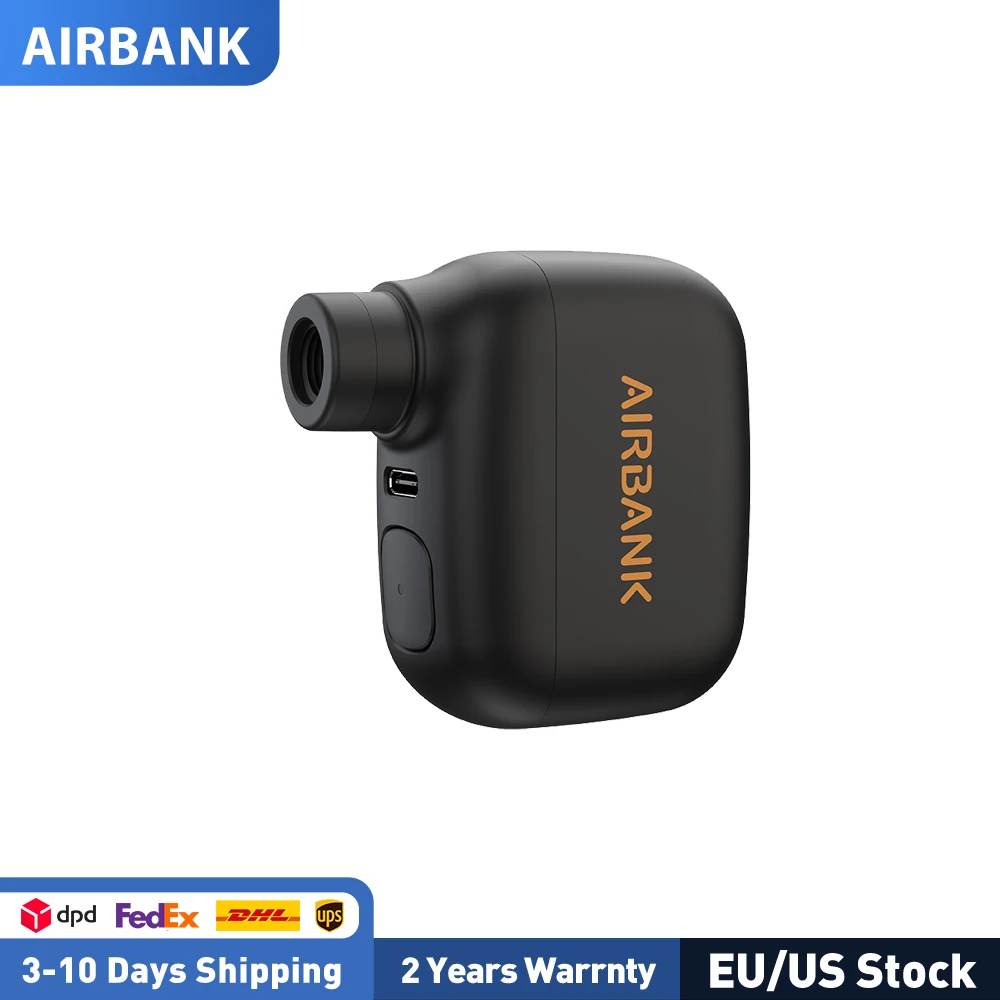
maintenance
AIRBANK Pocket SE Mini Portable Electric Pump For Bicycle Cordless Tire Presta Schrader Valve Bike Accessories Fast Charging

security
WEST BIKING Foldable Bicycle Lock Security Anti-theft Cycling Lock MTB Road Bicycle Accessories Scooter Electric Bike Chain Lock

protection
Bicycle Gloves with Adjustable Self-locking and Breathable Touch Screen Suitable for MTB Road Bike Riding Anti Slip Equipment
mounts
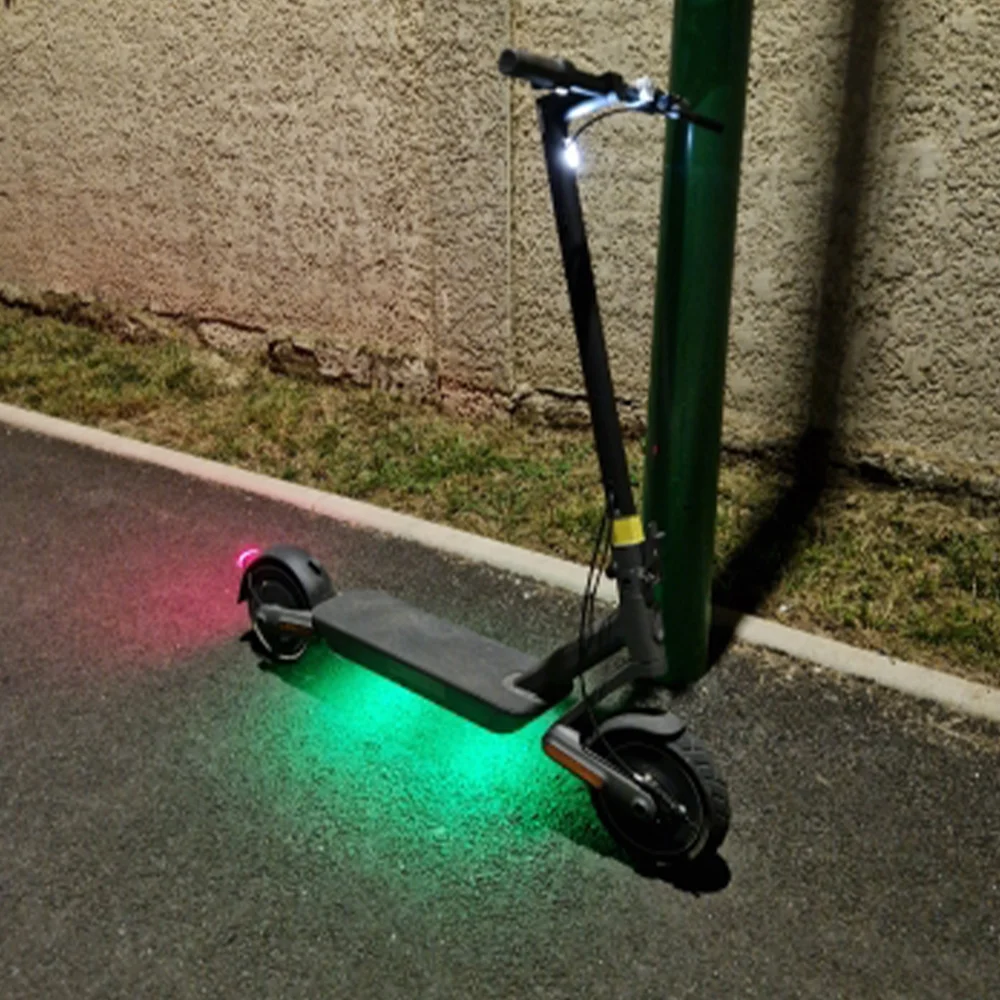
RGB Led Scooter Strobe Lights Bike LED Flash Position Wireless Light Aircraft Airplane Helicopter Warning Lights Accessories
📱 Track your rides on the Gotrax G7 Pro with the ScooterRank app (Android). See how it works →
How long will the battery last for you?
Rider Weight
Score Breakdown vs. Electric Scooter Average
How we calculate Power & Speed
Beats approximately 44% of commuter scooters on this metric.
How we calculate Real-World Range
Beats approximately 70% of commuter scooters on this metric.
How we calculate Ride Comfort
Beats approximately 16% of commuter scooters on this metric.
How we calculate Portability
Beats approximately 57% of commuter scooters on this metric.
How we calculate Safety
Scores 79/100 based on safety/tech features.
How we calculate Tech & Features
Scores 35/100 based on safety/tech features.
How we calculate Build Quality
Scores 39/100 based on IP rating, brake type, and suspension quality.
How we calculate Value for Money
ℹ️ Value for Money is displayed for reference only. It compares score-per-dollar against subcategory peers — higher price for the same performance means a lower value rank. This metric does not affect the Overall Score.
Offers better value than 48% of commuter scooters (score per dollar). Informational — not part of the overall score.
Final ScooterRank Rating · 7 dimensions
49/100
Full Specifications
Gotrax G7 Pro: 56 km Range & 32 km/h Urban Performance
The Gotrax G7 Pro packs a 960 Wh battery and 750 W motor into a sleek package, delivering an official 56.3 km range at up to 32.2 km/h. But beyond the spec sheet, it’s the balance between endurance and ride feel that sets it apart. Pneumatic tires provide cushioning on smooth roads, though the lack of suspension means jarring impacts over rough pavement. At 20.4 kg, it strikes a middle ground between solid build and manageable portability, folding neatly for storage or transit. IP54 weatherproofing keeps stray sprays at bay, and its competitive $899 price positions it as a top performer for riders who value long hauls and crisp acceleration over cushioned luxury. Understanding these nuances ensures the G7 Pro aligns with your urban riding needs.
Real-World Range and Battery Management
Officially rated at 56.3 km per charge, the G7 Pro’s 960 Wh battery often yields 45–50 km in mixed urban conditions. Aggressive throttle use, hills, and colder temperatures can shave off range quickly—20% losses are common. To maximize endurance, dial back top speeds, maintain tire pressure, and avoid full-throttle starts. While Gotrax doesn’t list a charge time, similar 960 Wh packs recharge in 8–10 hours with a standard charger. Consider a secondary fast charger if daily turnaround is tight. Tracking your actual ride data via the Gotrax app or a third-party gauge ensures you’re never stranded on the road.
Ride Comfort vs Portability Trade-Offs
At 20.4 kg, the G7 Pro isn’t the lightest scooter, but its foldable frame makes it practical for stowing in trunks or under desks. Pneumatic tires smooth out minor cracks, yet the absence of a suspension system turns rough pavement into a jarring experience. If your route includes cobblestones or speed bumps, you’ll feel each bump. This trade-off favors riders on well-maintained urban streets who prioritize range and price over plush comfort. For door-to-destination commutes under 10 km, its weight and fold size strike a solid compromise—just pack an extra layer if the roads get choppy.
Rider Reviews
No written reviews yet — be the first to help other riders.
Frequently Asked Questions — Gotrax G7 Pro
The Gotrax G7 Pro has a claimed top speed of 32.2 km/h (20 mph). This is below the commuter average of 47 km/h.
The manufacturer claims 56.3 km (35 mi) of range per charge. Real-world range will vary with rider weight, speed, terrain, and temperature.
The Gotrax G7 Pro weighs 20.4 kg (45 lbs). It is lighter than the commuter average of 28.56 kg — good for portability.
The Gotrax G7 Pro delivers 750 W (0.8 kW) of peak motor power.
The Gotrax G7 Pro is rated IP54, which indicates splash resistance — light rain is fine, avoid puddles.
At 49/100, the Gotrax G7 Pro scores below the commuter average. This is -1 points below the commuter average. Better-scoring options exist at similar prices — see our commuter rankings for alternatives.
The Gotrax G7 Pro is rated for up to 56.3 km of range on a flat surface. In real-world urban rides with moderate hills and stop-and-go traffic, expect 45–50 km per charge. Factors like rider weight, temperature, and throttle habits can affect actual distance.
Yes. The G7 Pro’s 750 W motor and 32.2 km/h top speed make it nimble in traffic, while its 56.3 km range covers most daily routes. Its foldable design and IP54 rating handle light rain and short transports, but smooth roads best offset its lack of suspension.
Routine checks include maintaining tire pressure in the pneumatic tires (45–50 PSI), inspecting brakes and tightening bolts monthly, and wiping down the deck and stem to prevent dust buildup. Charge the 960 Wh battery after each use, avoid full depletions, and store the scooter indoors in dry conditions.