OXO
E-scooter speed and power limits vary by country. Check the rules in your country →

Price History & Offers
Available Offers
Prices updated automatically
* Affiliate links — we may earn a commission at no extra cost to you.
Key Strengths
- ✓Top speed of 60.0 km/h, significantly higher than the average speed of 42.5 km/h, providing a competitive edge for speed enthusiasts.
- ✓Range of 70.0 km, exceeding the average range of 61.1 km, making it suitable for longer commutes without frequent recharging.
- ✓Powerful battery capacity at 1540.0 Wh, supporting longer rides and maintaining performance over distance.
Main Drawbacks
- ✕Weight of 33.50 kg is considerably heavier than the average of 25.59 kg, which may impact portability and ease of handling.
- ✕Lacks advanced features such as an app and GPS, which are increasingly common in modern electric scooters.
Our Verdict
"The Inokim OXO gets the basics right but faces stiff competition at this price point. Worth considering if the price is right."
Best Suited For:
Accessories for the Inokim OXO
Verified compatible gear · essential picks
maintenance
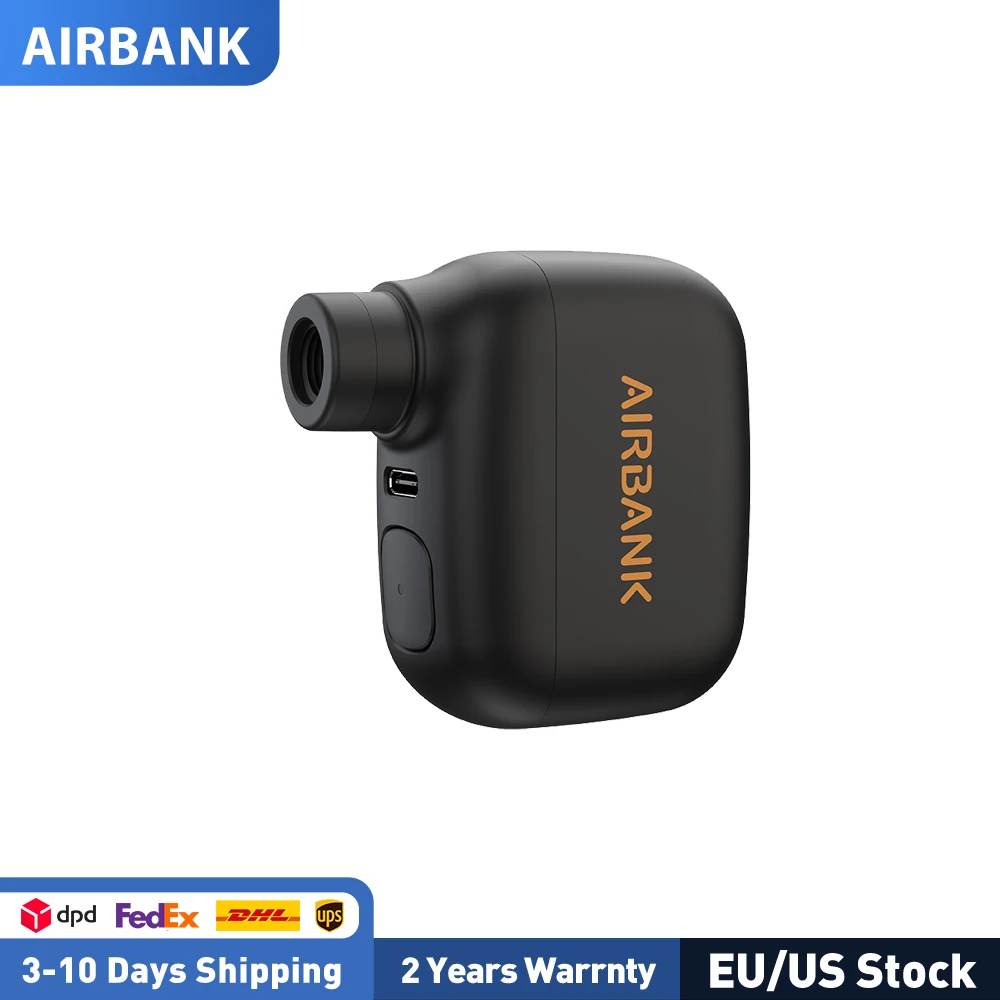
AIRBANK Pocket SE Mini Portable Electric Pump For Bicycle Cordless Tire Presta Schrader Valve Bike Accessories Fast Charging

security
Master Lock 6 ft Cable Bike Lock 4-Digit Combination 1/2 in Diameter 8122D

protection
G-Form Pro-X3 Elbow Guards - Mountain Biking Elbow Guards for Athletes - Comfortable & Breathable - Riding & Other Sports - Triple Matte Black, Adult Large

mounts
Motorcycle Electric Bike Mobile Phone Holder Aluminum Handlebar Bicycle Riding Bracket GPS Mount Phone Holder W/ Shock Absorber
Real-world range: The Inokim OXO's real-world range averages 53 km across 1 rider report — 75.7% of its 70 km manufacturer claim. See the full breakdown by riding mode and rider weight →
📱 Track your rides on the Inokim OXO with the ScooterRank app (Android). See how it works →
How long will the battery last for you?
Rider Weight
Score Breakdown vs. Electric Scooter Average
How we calculate Power & Speed
Beats approximately 70% of scooters in this category on this metric.
⚠️Partial data — 50% of spec fields available. Score may shift as more data is added.
How we calculate Real-World Range
Beats approximately 62% of scooters in this category on this metric.
How we calculate Ride Comfort
Beats approximately 11% of scooters in this category on this metric.
⚠️Limited data — 33% of spec fields available. Score may shift as more data is added.
How we calculate Portability
Beats approximately 38% of scooters in this category on this metric.
How we calculate Safety
Scores 0/100 based on safety/tech features.
⚠️Limited data — 0% of spec fields available. Score may shift as more data is added.
How we calculate Tech & Features
Scores 0/100 based on safety/tech features.
⚠️Limited data — 14% of spec fields available. Score may shift as more data is added.
How we calculate Build Quality
Scores 0/100 based on IP rating, brake type, and suspension quality.
⚠️Limited data — 0% of spec fields available. Score may shift as more data is added.
How we calculate Value for Money
ℹ️ Value for Money is displayed for reference only. It compares score-per-dollar against subcategory peers — higher price for the same performance means a lower value rank. This metric does not affect the Overall Score.
⚠️Partial data — 50% of spec fields available. Score may shift as more data is added.
Final ScooterRank Rating · 7 dimensions
39/100
Full Specifications
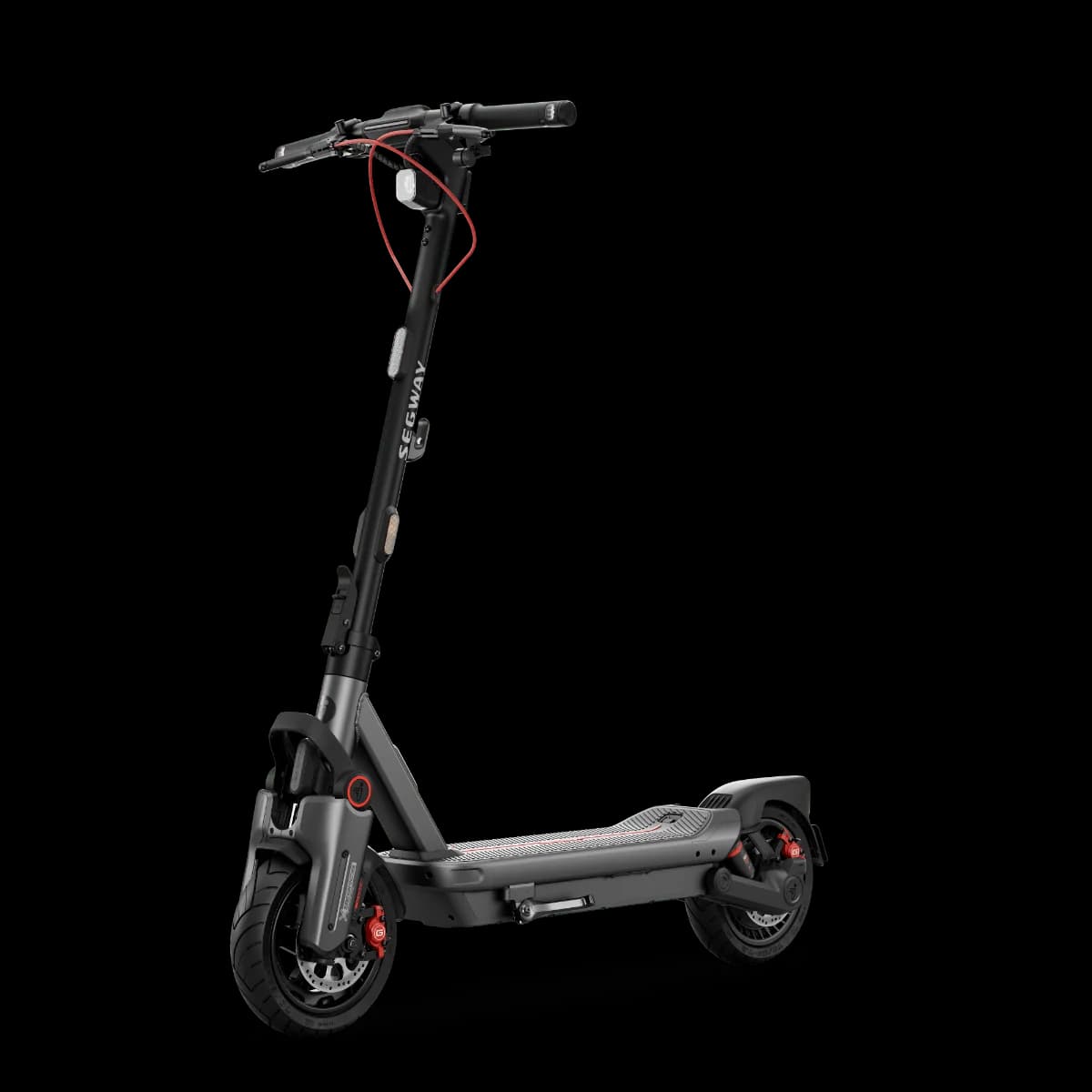
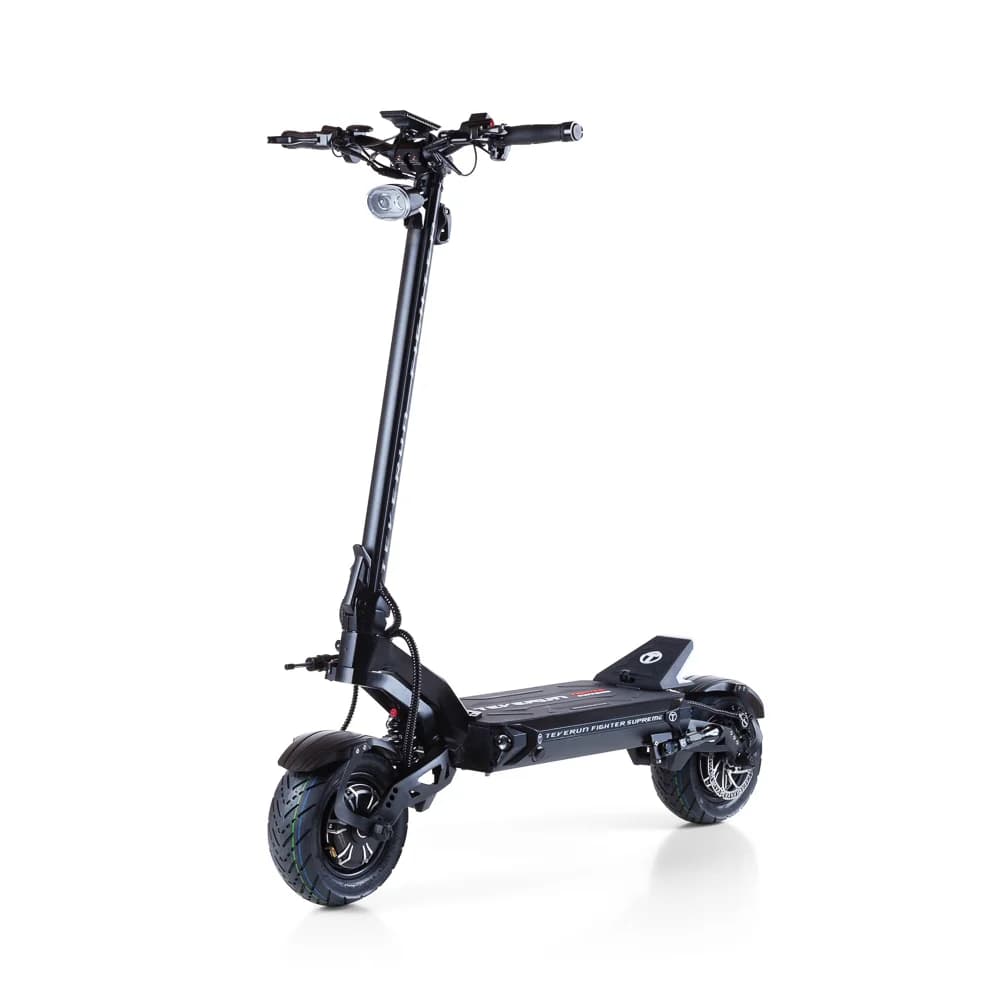
Inokim OXO: High-Speed, Long-Range Powerhouse
Blending unmatched energy capacity with a top speed of 60 km/h, the Inokim OXO positions itself as a flagship powerhouse in the electric scooter world. Its gargantuan 1540 Wh battery pack is rated for up to 70 km, delivering one of the longest ranges you can get outside purpose-built commuters. Yet the 33.5 kg chassis and lack of suspension introduce trade-offs you won’t see reflected in spec sheets: uphill climbs, extended charge times of 12 hours, and vibration on uneven roads. Riders seeking raw performance and extended cruising will appreciate its robust design and pneumatic tires, but those prioritizing easy portability and ride comfort may find the OXO demanding. Understanding these factors is key to deciding if this heavy-hitter aligns with your riding needs or if a lighter, more agile scooter suits your daily routine.
Real-World Range: Beyond the 70 km Claim
While the Inokim OXO’s 1540 Wh battery promises up to 70 km under ideal conditions, everyday factors can cut this by 20–30%. High speeds near 60 km/h draw more current, reducing range to roughly 50 km. Rider weight above 85 kg, hilly terrain, and frequent accelerations further impact performance. Charging takes 12 hours from empty, so planning stops or using a secondary charger can help. To maximize range, stick to moderate speeds (around 25–35 km/h), keep tire pressure at recommended levels, and avoid aggressive braking. Understanding these real-world variables helps you set realistic expectations and avoid range anxiety on longer rides.
Balancing Portability and Comfort for Daily Use
This design suits riders who plan to store it in a garage or trunk, rather than carry it on public transit. If your daily commute involves staircases, narrow doorways, or frequent lifts, a lighter, foldable model with suspension may serve better. The OXO shines when you prioritize stability and battery life over ease of transport.
Rider Reviews
No written reviews yet — be the first to help other riders.
Frequently Asked Questions — Inokim OXO
The Inokim OXO has a claimed top speed of 60 km/h (37 mph). This is above average for electric scooters (avg 47 km/h).
The manufacturer claims 70 km (43 mi) of range per charge. Real-world range will vary with rider weight, speed, terrain, and temperature.
The Inokim OXO weighs 33.5 kg (74 lbs). It is heavier than the electric average of 28.56 kg.
At 39/100, the Inokim OXO scores below the electric scooter average. This is 9 points below the electric scooter average. Better-scoring options exist at similar prices — see our electric scooter rankings for alternatives.
The Inokim OXO’s 1540 Wh battery is rated for up to 70 km under ideal conditions (flat terrain, moderate speed). In practice, riding at top speed (60 km/h), carrying heavier loads, or tackling hills can reduce actual range to around 45–55 km. Maintaining tire pressure and avoiding aggressive acceleration helps maximize distance.
The OXO’s long range and 60 km/h top speed are attractive, but its 33.5 kg weight, 12 hr charge time, and lack of suspension make it less practical for daily commutes involving stairs or transit. It excels as a weekend cruiser or for point-to-point rides where storage space is available, not as a lightweight carry-on.
To maintain the OXO’s 1540 Wh battery, charge it within the recommended 12-hour cycle and avoid letting it drain below 20%. Store at room temperature and keep charge levels between 40–80% for long-term storage. Inspect for corrosion on terminals and use the original charger. Regular, moderate charging cycles preserve capacity better than deep discharges.