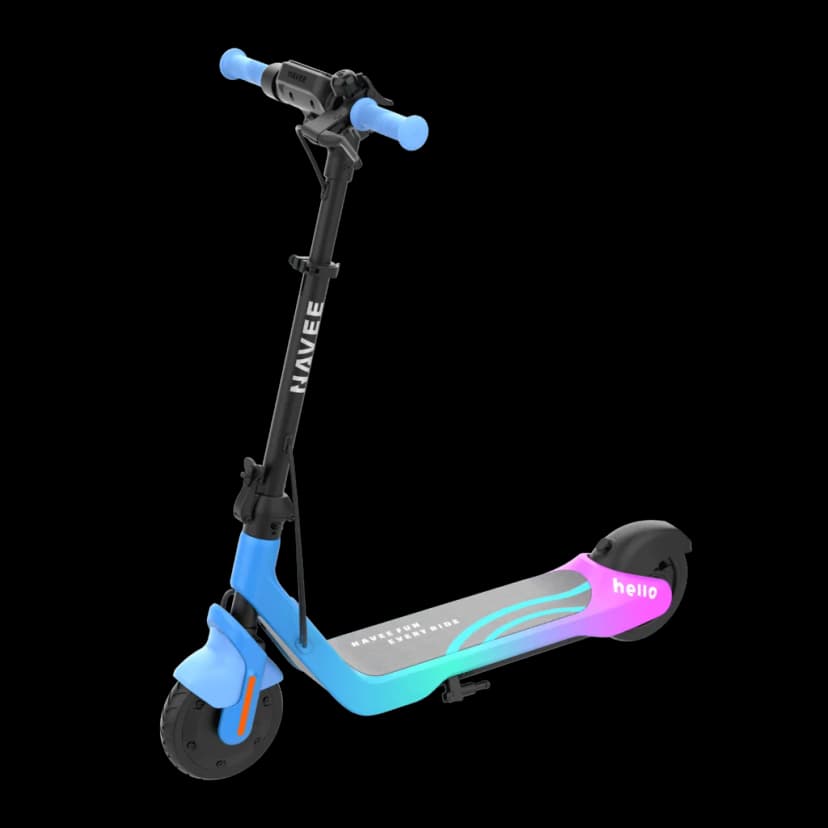
K100 Max
E-scooter speed and power limits vary by country. Check the rules in your country →

Price History & Offers
Available Offers
Prices updated automatically
Navee Official Store
10% OFF ON ALL PRODUCTS
Check Price →Amazon Store
Compare on Amazon
Check Price →* Affiliate links — we may earn a commission at no extra cost to you.
Key Strengths
- ✓Extremely lightweight at 9.60 kg, significantly lower than the category average of 25.67 kg, making it highly portable.
- ✓Offers GPS functionality via app, adding a level of convenience for navigation and tracking.
- ✓Achieves a peak power of 260W, providing reasonable acceleration compared to many scooters in its category.
Main Drawbacks
- ✕Limited range of 18.0 km, significantly shorter than the average of 62.2 km, restricting practical usability for longer commutes.
- ✕Lacks suspension and has inadequate braking options, with no front brakes and a rear drum brake, compromising safety and comfort during rides.
Our Verdict
"The Navee K100 Max gets the basics right but faces stiff competition at this price point. Worth considering if the price is right."
Best Suited For:
Accessories for the Navee K100 Max
Verified compatible gear · essential picks
maintenance
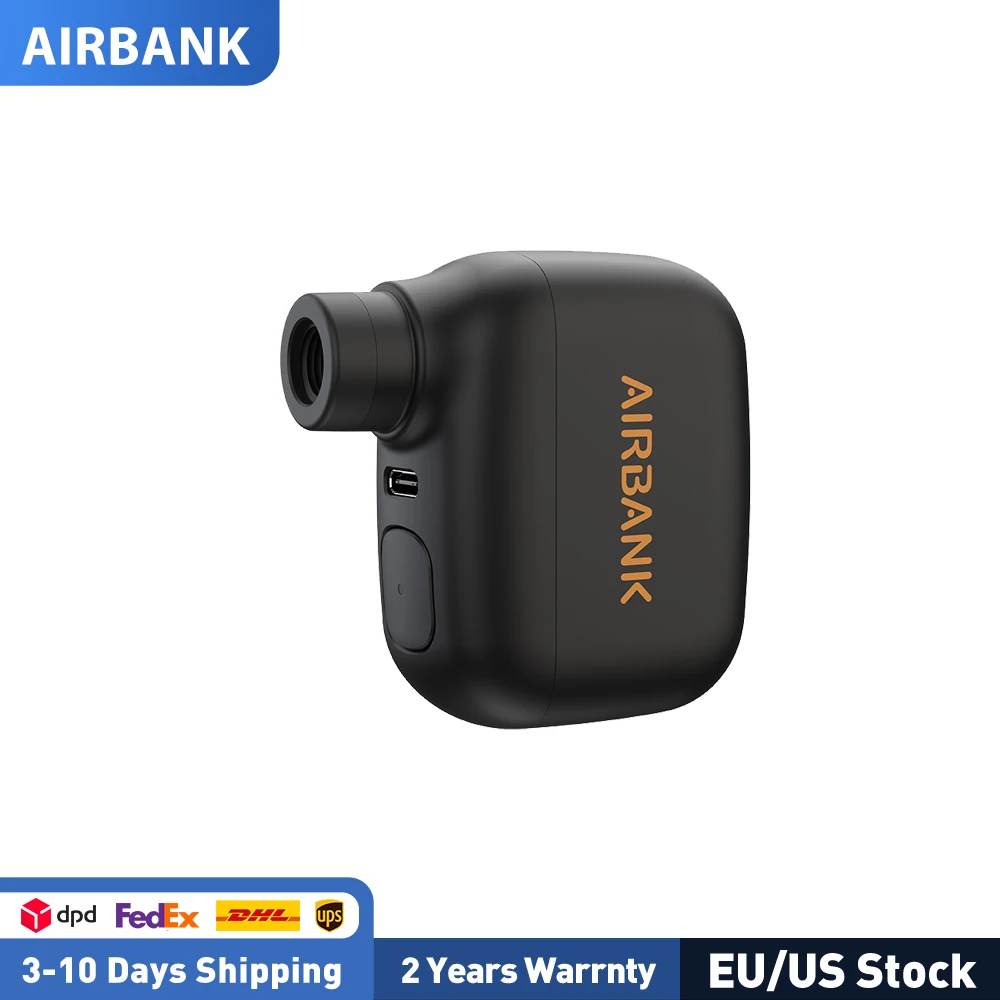
AIRBANK Pocket SE Mini Portable Electric Pump For Bicycle Cordless Tire Presta Schrader Valve Bike Accessories Fast Charging

security
USUPERINK Bike Alarms for Ebikes, 2Pcs Wireless Bike Alarm with Remote, Anti-Theft Bicycle Motorcycle Alarm Wireless Security Vibration Motion Sensor Alarms, IP65 Waterproof Super Loud 113dB

protection
CARTMAN Matte Black Adult Full Helmet Medium, DOT Approved ATV Dirt Bike

security
125db USB Charge Bicycle Electric Bell Cycle Scooter Trumpet Horn Scooter Electric Bike Horn Safe Anti-theft Alarm Bell
📱 Track your rides on the Navee K100 Max with the ScooterRank app (Android). See how it works →
How long will the battery last for you?
Rider Weight
Score Breakdown vs. Electric Scooter Average
How we calculate Power & Speed
Beats approximately 6% of commuter scooters on this metric.
How we calculate Real-World Range
Beats approximately 7% of commuter scooters on this metric.
How we calculate Ride Comfort
Beats approximately 1% of commuter scooters on this metric.
How we calculate Portability
Beats approximately 100% of commuter scooters on this metric.
How we calculate Safety
Scores 40/100 based on safety/tech features.
How we calculate Tech & Features
Scores 35/100 based on safety/tech features.
How we calculate Build Quality
Scores 18/100 based on IP rating, brake type, and suspension quality.
How we calculate Value for Money
ℹ️ Value for Money is displayed for reference only. It compares score-per-dollar against subcategory peers — higher price for the same performance means a lower value rank. This metric does not affect the Overall Score.
Offers better value than 21% of commuter scooters (score per dollar). Informational — not part of the overall score.
Final ScooterRank Rating · 7 dimensions
23/100
Full Specifications
Navee K100 Max: Ultralight Scooter for Short Urban Trips
At just 9.6 kg, the Navee K100 Max stakes its claim as one of the lightest commuter scooters on the market. It folds in seconds, fitting under desks or into train luggage racks, yet its 110 Wh battery only delivers about 18 km of real-world range. With a 20 km/h top speed, IPX4 water resistance and no suspension, comfort takes a back seat to portability. Priced at $279.99, it’s ideal for riders prioritizing minimal weight and easy carry—provided your daily route stays within its modest reach and smooth pavement conditions.
Portability vs. Range: Balancing Weight with Distance
Weighing under 10 kg, the K100 Max excels at last-mile trips where every gram matters. Its featherweight frame folds into a compact package you can sling over your shoulder or store in a locker. However, that 110 Wh battery caps your distance at roughly 18 km, less than half of many commuter scooters. Expect shorter outings if you’re heavier than 75 kg or tackle hills. This trade-off favors riders who carry their scooter frequently over those needing extended, suspension-enhanced rides.
Who Should Choose the K100 Max?
If your downtown commute is under 18 km on flat streets, the K100 Max offers unmatched portability for $279.99. Students hopping between classes, apartment dwellers with tight storage or multi-modal travelers will appreciate its 5.5-hour charge time and easy fold. Avoid it if your route involves potholes, steep inclines or longer distances—no suspension and a 260 W motor limit comfort and hill-climbing power. For lightweight, budget-minded riders covering short, smooth urban routes, it’s a smart pick.
Rider Reviews
No written reviews yet — be the first to help other riders.
Frequently Asked Questions — Navee K100 Max
The Navee K100 Max has a claimed top speed of 20 km/h (12 mph). This is below the commuter average of 47 km/h.
The manufacturer claims 18 km (11 mi) of range per charge. Real-world range will vary with rider weight, speed, terrain, and temperature.
The Navee K100 Max weighs 9.6 kg (21 lbs). It is lighter than the commuter average of 28.56 kg — good for portability.
The Navee K100 Max is rated IPX4, which indicates splash resistance — light rain is fine, avoid puddles.
At 23/100, the Navee K100 Max scores below the commuter average. This is 25 points below the commuter average. Better-scoring options exist at similar prices — see our commuter rankings for alternatives.
The Navee K100 Max delivers around 18 km of range per charge, thanks to its 110 Wh battery and 260 W motor. This figure assumes flat terrain, a rider weight around 70 kg and moderate speeds. Heavier riders, hilly routes or frequent stops can reduce that distance by up to 20%.
The K100 Max suits daily commutes under 18 km on mostly flat roads. Its 9.6 kg frame and foldable design simplify storage on buses or in offices. However, no suspension and a modest top speed of 20 km/h mean it’s less ideal for rough pavement or longer trips. Choose it if portability outweighs extended range.
Charging the Navee K100 Max’s 110 Wh battery takes about 5.5 hours with the included charger. To preserve battery health, avoid full discharges and recharge once the battery drops below 20%. Short top-ups between rides help maintain consistent performance without overloading the cells.