ENGWE L20
E-bike rules vary by country. Check the rules in your country →

Price History & Offers
Available Offers
Prices updated automatically
Engwe Official Store
10% ON ALL PRODUCTS
Check Price →Amazon Store
Compare on Amazon
Check Price →* Affiliate links — we may earn a commission at no extra cost to you.
Key Strengths
- ✓Range of 140 km vs fat-tire average of 116.3 km (+20.5%)
- ✓Weight 34 kg vs average 35.66 kg (−1.66 kg, easier to handle)
- ✓Price at $1,187 vs average $1,259 (−$72, more budget-friendly)
Main Drawbacks
- ✕Top speed 25 km/h vs average 34.6 km/h (−27.7%) limits urban commuting pace
Our Verdict
"The Engwe ENGWE L20 gets the basics right but faces stiff competition at this price point. Worth considering if the price is right."
Best Suited For:
Accessories for the Engwe ENGWE L20
Verified compatible gear · essential picks
maintenance
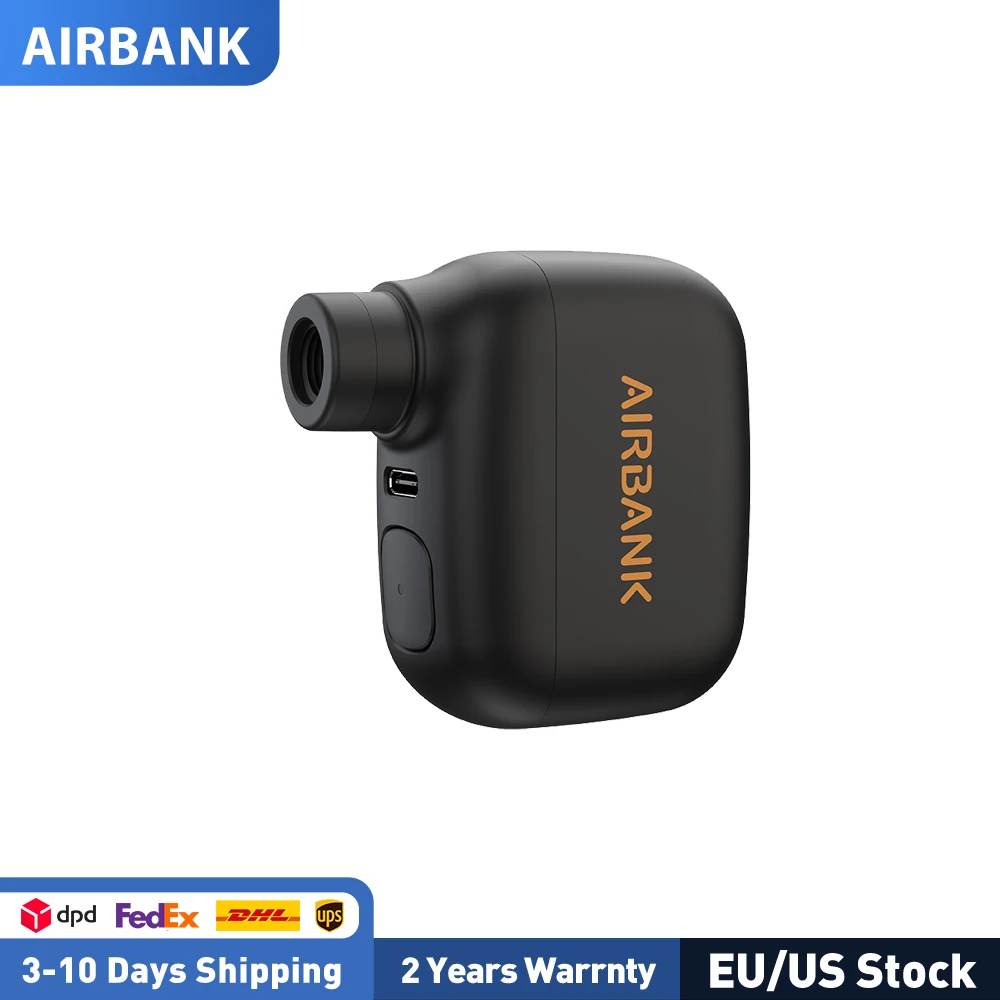
AIRBANK Pocket SE Mini Portable Electric Pump For Bicycle Cordless Tire Presta Schrader Valve Bike Accessories Fast Charging
mounts
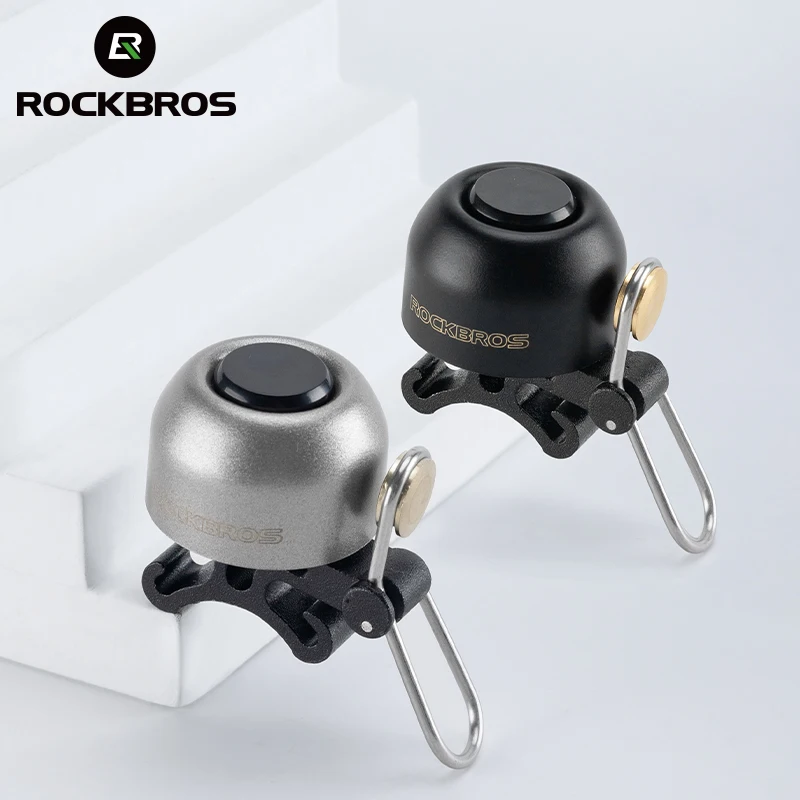
ROCKBROS Bicycle Bell Safety Warning Bike Bell Horn Handlebar Copper Alloy Non-slip Bicycle Alloy Ring Crisp Sound Cycling Alarm

security
WEST BIKING Carbon Steel Bike U Lock Anti-Theft Secure MTB Road Bicycle Lock Motorcycle Scooter Cycling Accessories
security
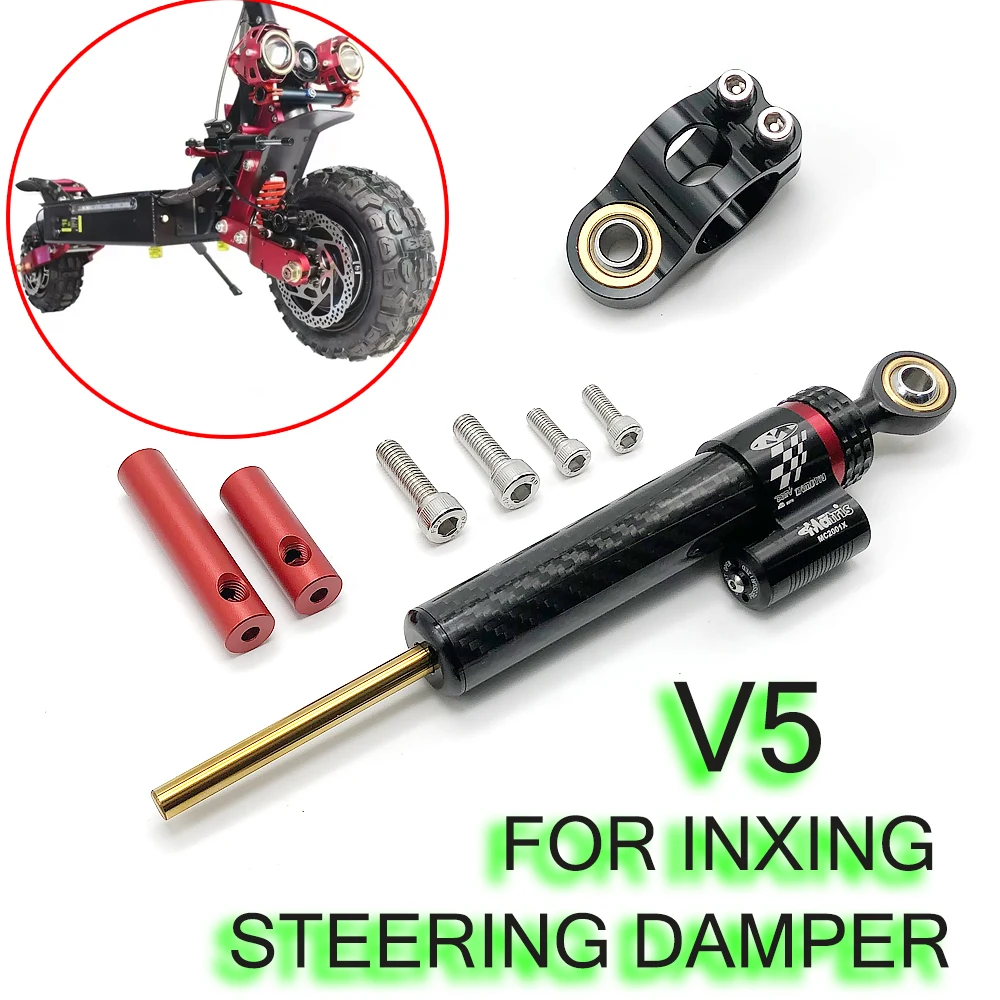
CNC Carbon Fiber Stabilizer Steering Damper Adjustable Electric Scooter Steering Damper Bracket Support Kit For Inxing V5
Score Breakdown
How we calculate Range & Efficiency
Scores 35/100 vs. other fat-tire subcategory peers.
How we calculate Motor Performance
Scores 13/100 vs. other fat-tire subcategory peers.
How we calculate Ride Comfort
Scores 45/100 vs. other fat-tire subcategory peers.
How we calculate Build Quality
Scores 58/100 vs. other fat-tire subcategory peers.
How we calculate Portability
Scores 67/100 vs. other fat-tire subcategory peers.
How we calculate Tech & Features
Scores 35/100 vs. other fat-tire subcategory peers.
Final ScooterRank Rating · 6 dimensions
39/100
Full Specifications
⚡ Motor & Assistance
🔋 Battery & Range
🚴 Frame & Fit
🏔️ Suspension
⚙️ Drivetrain
🛑 Brakes
How long will the battery last for you?
Rider Weight
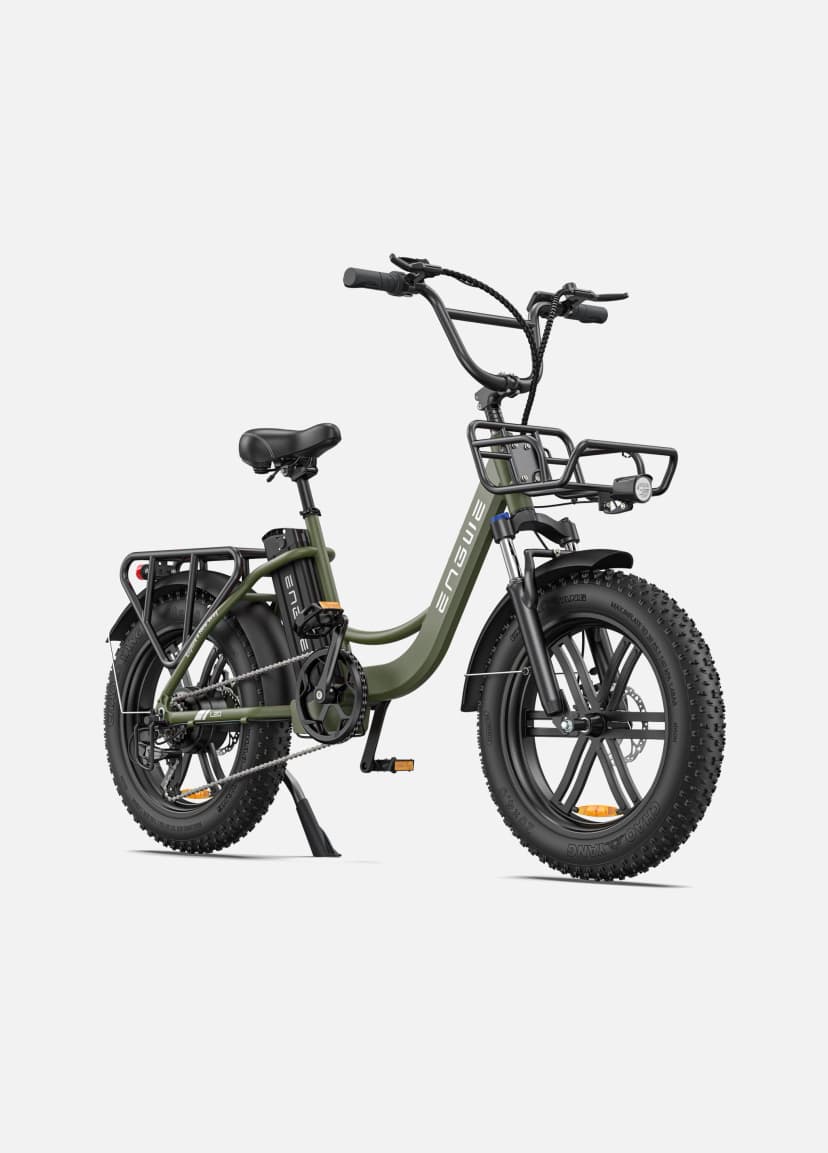
Engwe L20: Step-Through Fat-Tire E-Bike with 140 km Range
Designed for riders seeking comfort and adventure, the Engwe L20 pairs a 624 Wh battery with a 250 W hub-driven motor to deliver up to 140 km of range under ideal conditions. Its 50 Nm torque and 26×4-inch fat tires provide confidence on sand, gravel or city streets, while the step-through frame ensures easy mounting and dismounting. At 34 kg, it’s heavier than typical commuters, but the robust construction and integrated controls deliver a stable ride. Without a throttle, you’ll rely on pedal-assist across five levels—ideal for those wanting a regulated boost without unexpected surges. With fast-charging in around 6 hours and an integrated LCD display, the L20 enhances ride comfort and control. Front suspension forks smooth bumps, making it versatile for daily errands and weekend adventures.
Decoding Real-World Range and Performance
Although Engwe’s 140 km claim is based on Eco assist on flat terrain, most riders will see 80–100 km when mixing assist modes and tackling moderate hills. The L20’s 624 Wh battery, the largest in its price segment, offers extended rides, but toggling between Assist levels 1–5 helps optimize power use. Weight also impacts endurance: at 34 kg, this bike performs best on gradual slopes, while steep climbs in Assist 5 can drain 40–50 Wh per kilometer. To maximize range, maintain tire pressure at 30–35 psi, switch off lights when unneeded, and recharge after 20–30% depletion to prolong battery longevity.
Balancing Fat-Tire Benefits with Portability
Equipped with 26×4-inch fat tires, the Engwe L20 tackles sand, snow and gravel with ease, delivering a cushioned ride over rough surfaces. However, those tires and its step-through aluminum frame contribute to a 34 kg curb weight—30–50% heavier than standard e-bikes. If your commute involves stairs or tight storage, consider a ramp or portable dolly to reduce strain. The hub-drive motor minimizes maintenance compared to mid-drives, though servicing wheel bearings may require a shop visit. For riders prioritizing off-roading and stability, this trade-off in weight is offset by superior traction and onboard comfort.
Rider Reviews
No written reviews yet — be the first to help other riders.
Common Questions — Engwe ENGWE L20
At 39/100, the Engwe ENGWE L20 scores below the fat-tire average. Better-scoring options exist at similar prices — see our fat-tire rankings for alternatives.
The Engwe ENGWE L20 has a claimed top speed of 25 km/h (16 mph). This is below the fat-tire average of 37 km/h.
The manufacturer claims 140 km (87 mi) of range per charge. Real-world range will vary with rider weight, speed, terrain, and temperature.
The Engwe ENGWE L20 weighs 34 kg (75 lbs). It is heavier than the fat-tire average of 30.71 kg.
The Engwe ENGWE L20 features a hub drive rear motor with 50Nm of torque, rated at 250W nominal power.
Engwe’s spec sheet lists up to 140 km in Eco mode on flat terrain, but real-world riders typically average 80–100 km per charge. Assist levels, rider weight, terrain and wind all affect distance—using higher assist modes and climbing hills can reduce range to around 60–70 km.
Yes, the Engwe L20 handles light off-road trails with its 26×4-inch fat tires, offering excellent traction on sand, dirt and gravel. Its 50 Nm torque and front suspension fork absorb bumps well, though the 34 kg weight can feel heavy on technical singletrack. It excels on smooth to moderate paths.
Routine upkeep includes checking fat-tire pressure (30–35 psi), lubricating the chain and inspecting brake pads for wear. The sealed hub-drive motor is low-maintenance, but yearly wheel-bearing checks are recommended. Charge the battery when it drops below 30% and store it between 10–60% state of charge to extend its lifespan.