E-scooter speed and power limits vary by country. Check the rules in your country →

Price History & Offers
Available Offers
Prices updated automatically
* Affiliate links — we may earn a commission at no extra cost to you.
Key Strengths
- ✓Peak power of 1600W significantly exceeds the average of 44.2 km/h, allowing for a top speed of 49.9 km/h, which enhances performance.
- ✓Range of 54.7 km is competitive and closer to the category average of 61.5 km, making it suitable for longer rides without frequent recharges.
- ✓Dual suspension provides improved comfort over uneven terrain compared to many competitors, enhancing overall ride quality.
Main Drawbacks
- ✕Weight of 23.60 kg is heavier than the category average of 25.96 kg, making it less portable.
- ✕Lacks app connectivity and GPS features, which is becoming more standard in the segment, limiting tech integration.
- ✕No stated warranty might raise concerns about long-term reliability and customer support compared to competitors that offer clear warranties.
Our Verdict
"The Apollo Explore 2020 gets the basics right but faces stiff competition at this price point. Worth considering if the price is right."
Best Suited For:
Accessories for the Apollo Explore 2020
Verified compatible gear · essential picks
maintenance
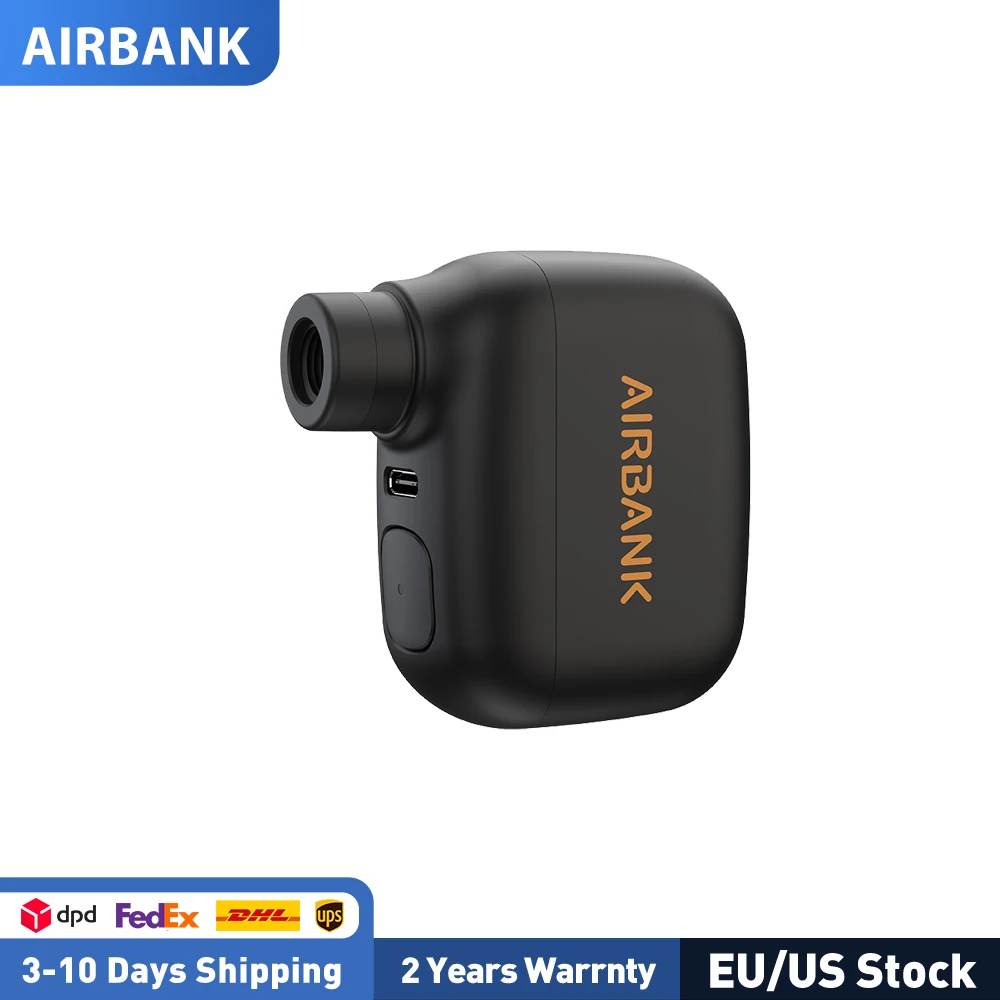
AIRBANK Pocket SE Mini Portable Electric Pump For Bicycle Cordless Tire Presta Schrader Valve Bike Accessories Fast Charging
protection
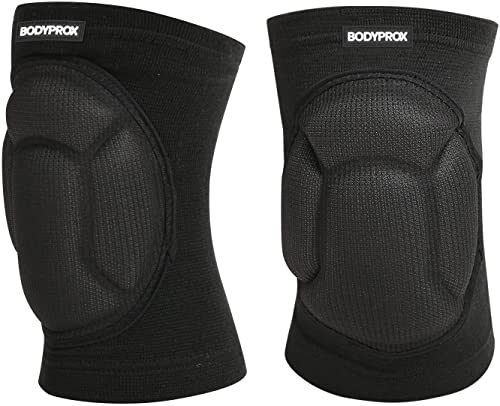
Bodyprox Protective Knee Pads, Thick Sponge Anti-slip Knee Sleeve

mounts
Motorcycle Electric Bike Mobile Phone Holder Aluminum Handlebar Bicycle Riding Bracket GPS Mount Phone Holder W/ Shock Absorber
storage
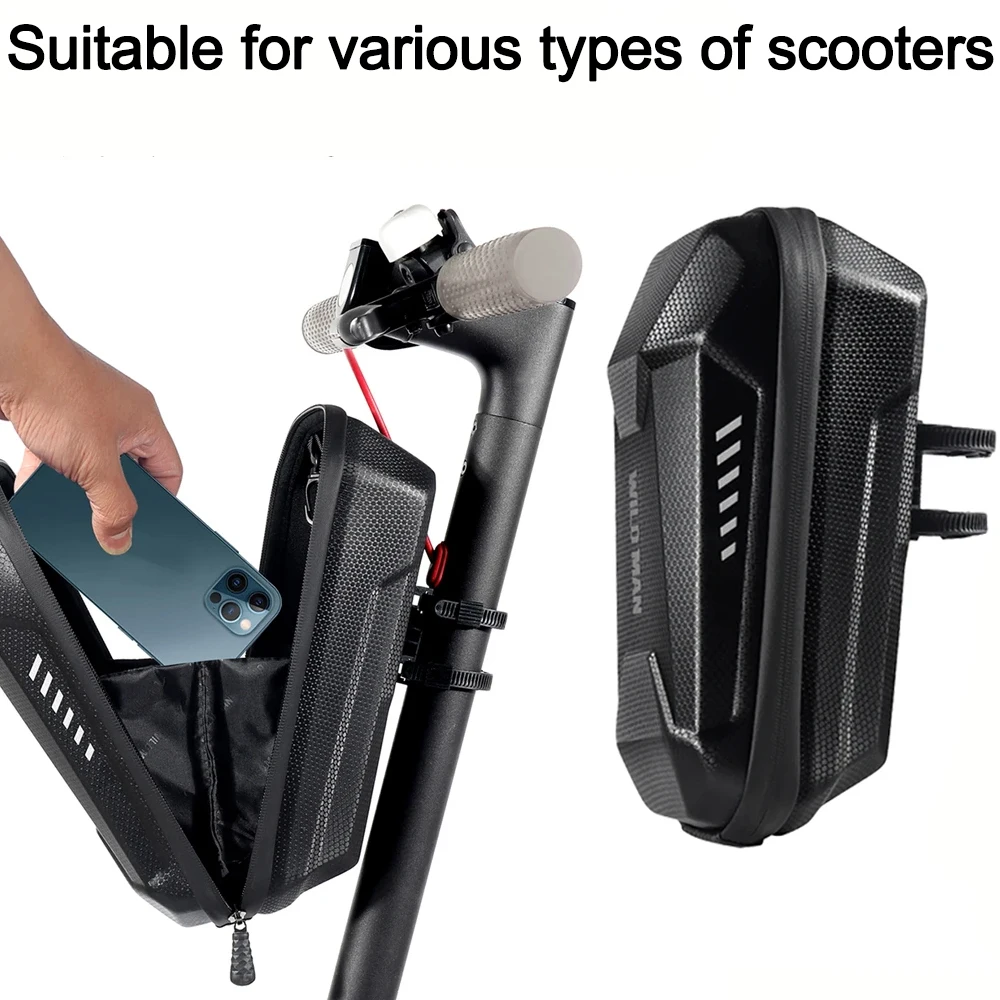
4-2L WILD MAN Electric Scooter Front Storage Bag Hard Shell Bag Large Capacity Waterproof Skateboard Hanging Case for M365 Pro
📱 Track your rides on the Apollo Explore 2020 with the ScooterRank app (Android). See how it works →
How long will the battery last for you?
Rider Weight
Score Breakdown vs. Electric Scooter Average
How we calculate Power & Speed
Beats approximately 57% of scooters in this category on this metric.
How we calculate Real-World Range
Beats approximately 43% of scooters in this category on this metric.
How we calculate Ride Comfort
Beats approximately 46% of scooters in this category on this metric.
How we calculate Portability
Beats approximately 59% of scooters in this category on this metric.
How we calculate Safety
Scores 78/100 based on safety/tech features.
How we calculate Tech & Features
Scores 0/100 based on safety/tech features.
How we calculate Build Quality
Scores 55/100 based on IP rating, brake type, and suspension quality.
How we calculate Value for Money
ℹ️ Value for Money is displayed for reference only. It compares score-per-dollar against subcategory peers — higher price for the same performance means a lower value rank. This metric does not affect the Overall Score.
⚠️Partial data — 50% of spec fields available. Score may shift as more data is added.
Final ScooterRank Rating · 7 dimensions
49/100
Full Specifications
Explore the Apollo Explore 2020: Robust 55 km-Range E-Scooter
Released in 2020, the Apollo Explore 2020 remains a formidable choice for riders seeking a blend of long-distance capability and robust performance. Its 946 Wh battery pack and 1600 W motor promise up to 54.7 km of range and a top speed of nearly 50 km/h, while dual spring suspension and pneumatic tires smooth out urban imperfections. At 23.6 kg, it balances stability, although the heft demands deliberate handling when folding or carrying. IP54 water resistance adds durability against splashes, and its solid frame continues to earn high marks even years after release. Understanding real-world variables—terrain, rider weight, and riding style—will help you extract maximum value and long-term reliability from this well-rounded e-scooter.
Maximizing Your Apollo Explore 2020 Range
Although Apollo rates the Explore 2020 at 54.7 km, real-world riders typically see 45–50 km per charge. This variance stems from factors like rider weight (up to 120 kg), average speed, and stops. Aggressive acceleration or frequent hills can cut range by 10–15%, while a steadier pace at 25–30 km/h preserves battery life. The 946 Wh pack’s cells also benefit from smooth throttle use: avoid full-power launches to extend lifespan. Regularly checking tire pressure—around 40 psi—ensures rolling resistance stays low, and closing the front brake lever between rides prevents unnecessary energy drain in transport mode.
Balancing Portability, Comfort, and Performance
At 23.6 kg, the Explore 2020 sits above lightweight commuters yet below heavy touring models. Its portability score reflects a sturdy folding stem and latch, but lifting into trunks or onto public transit requires practice. Meanwhile, the 1600 W motor reaches 49.9 km/h for swift overtaking. If you regularly navigate mixed terrain or value easy stowaway in cafés and offices, this trade-off hits a sweet spot between ride quality and manageable bulk.
Rider Reviews
No written reviews yet — be the first to help other riders.
Frequently Asked Questions — Apollo Explore 2020
The Apollo Explore 2020 has a claimed top speed of 49.9 km/h (31 mph). This is above average for electric scooters (avg 47 km/h).
The manufacturer claims 54.7 km (34 mi) of range per charge. Real-world range will vary with rider weight, speed, terrain, and temperature.
The Apollo Explore 2020 weighs 23.6 kg (52 lbs). It is lighter than the electric average of 28.56 kg — good for portability.
The Apollo Explore 2020 delivers 1600 W (1.6 kW) of peak motor power.
The Apollo Explore 2020 is rated IP54, which indicates splash resistance — light rain is fine, avoid puddles.
At 49/100, the Apollo Explore 2020 scores below the electric scooter average. This is -1 points below the electric scooter average. Better-scoring options exist at similar prices — see our electric scooter rankings for alternatives.
Apollo lists a maximum range of 54.7 km on the Explore 2020. In everyday use, most riders experience 45–50 km under mixed conditions—urban stop-and-go traffic, moderate hills, and a rider weight around 80 kg. Maintaining tire pressure at approximately 40 psi and avoiding aggressive acceleration can help you approach the upper end of this range.
Yes. With a top speed near 50 km/h, IP54 water resistance, and dual spring suspension paired with pneumatic tires, the Explore 2020 handles urban streets and occasional wet sidewalks confidently. Its 23.6 kg weight is manageable for folding and transport on trains or buses, while the 946 Wh battery ensures you cover daily commutes up to 50 km without recharging.
To keep the dual spring suspension performing, inspect the shock mounts and pivot bolts every 200 km for tightness and play. Clean any debris from the spring coils and apply a light silicone or PTFE-based lubricant to sliding surfaces. Avoid pressure washing the shocks directly to preserve seals. If you notice increased noise or reduced travel, consider a professional rebuild or spring replacement every 12–18 months based on usage.