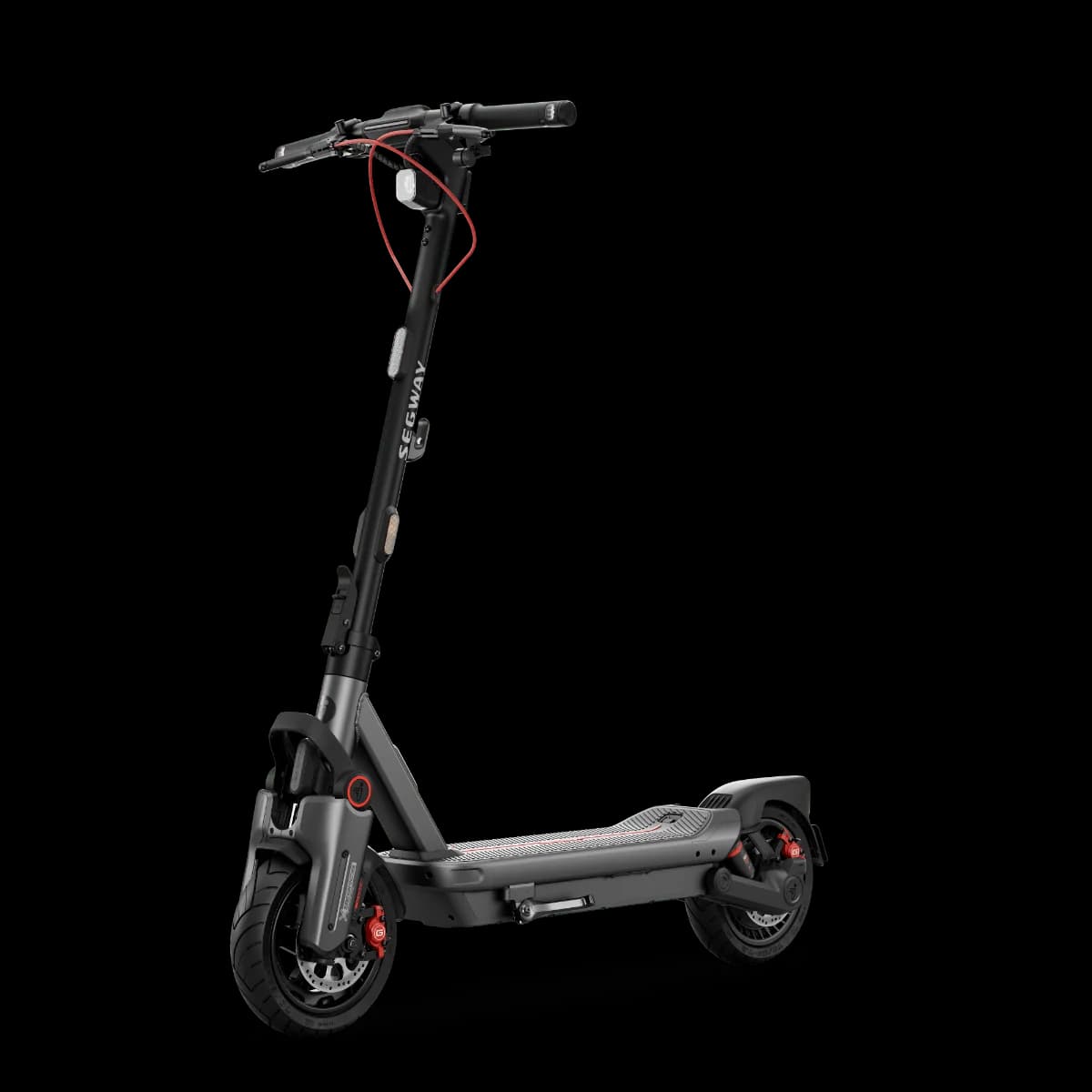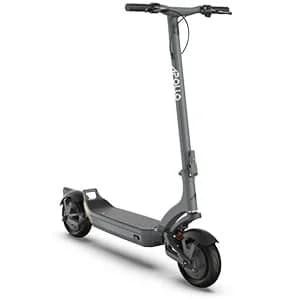
City
E-scooter speed and power limits vary by country. Check the rules in your country →

Price History & Offers
Available Offers
Prices updated automatically
* Affiliate links — we may earn a commission at no extra cost to you.
Key Strengths
- ✓Top speed of 51.5 km/h, significantly higher than the category average of 44.2 km/h, providing faster performance.
- ✓Range of 61.2 km is slightly below the category average of 61.5 km, indicating competitive long-distance capability.
- ✓Build quality score, well above the average overall score, suggesting a robust and durable construction.
Main Drawbacks
- ✕Weight of 29.50 kg exceeds the category average of 25.96 kg, making it less portable for users.
- ✕Comfort score is below the average, indicating potential issues with ride quality.
- ✕Suspension system is dual compared to some peers offering more advanced setups, which may impact ride stability and comfort.
Our Verdict
"A strong performer with clear advantages, the Apollo City is a solid choice for commuter use when safety and comfort matter."
Best Suited For:
Accessories for the Apollo City
Verified compatible gear · essential picks
maintenance
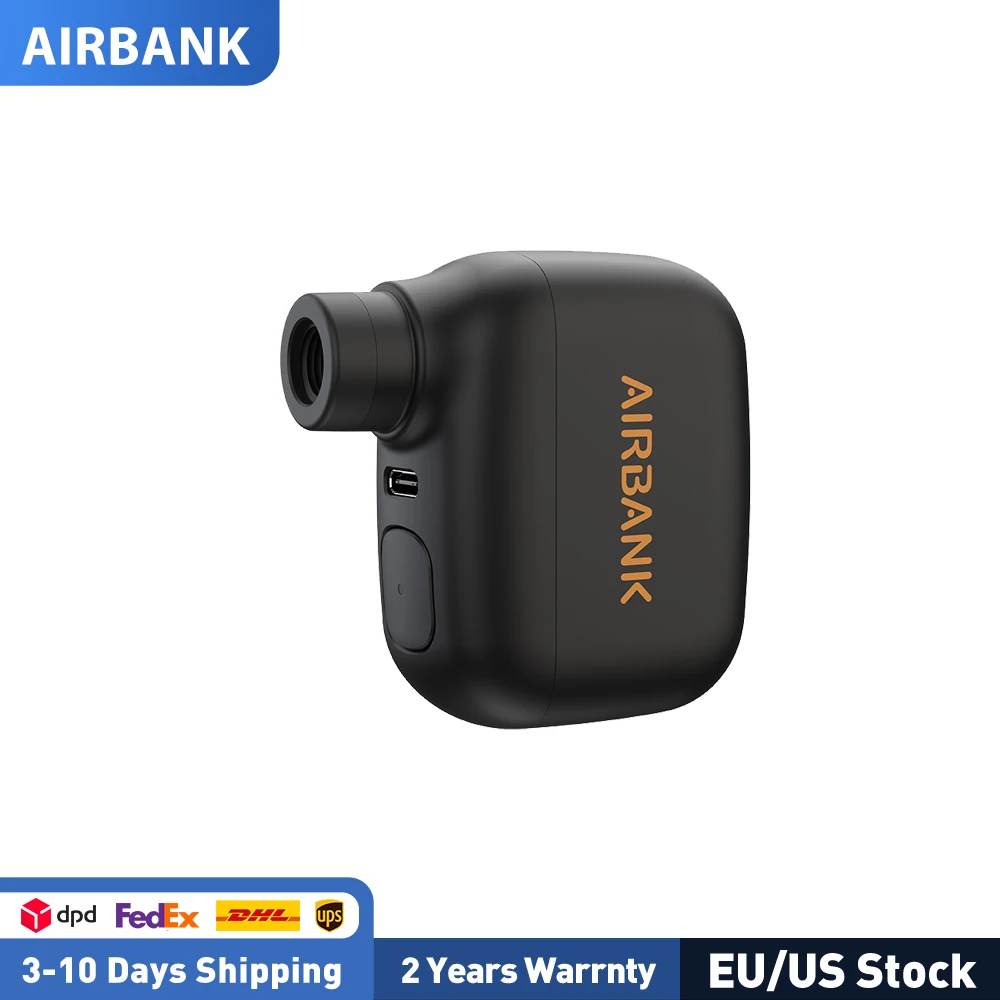
AIRBANK Pocket SE Mini Portable Electric Pump For Bicycle Cordless Tire Presta Schrader Valve Bike Accessories Fast Charging
storage
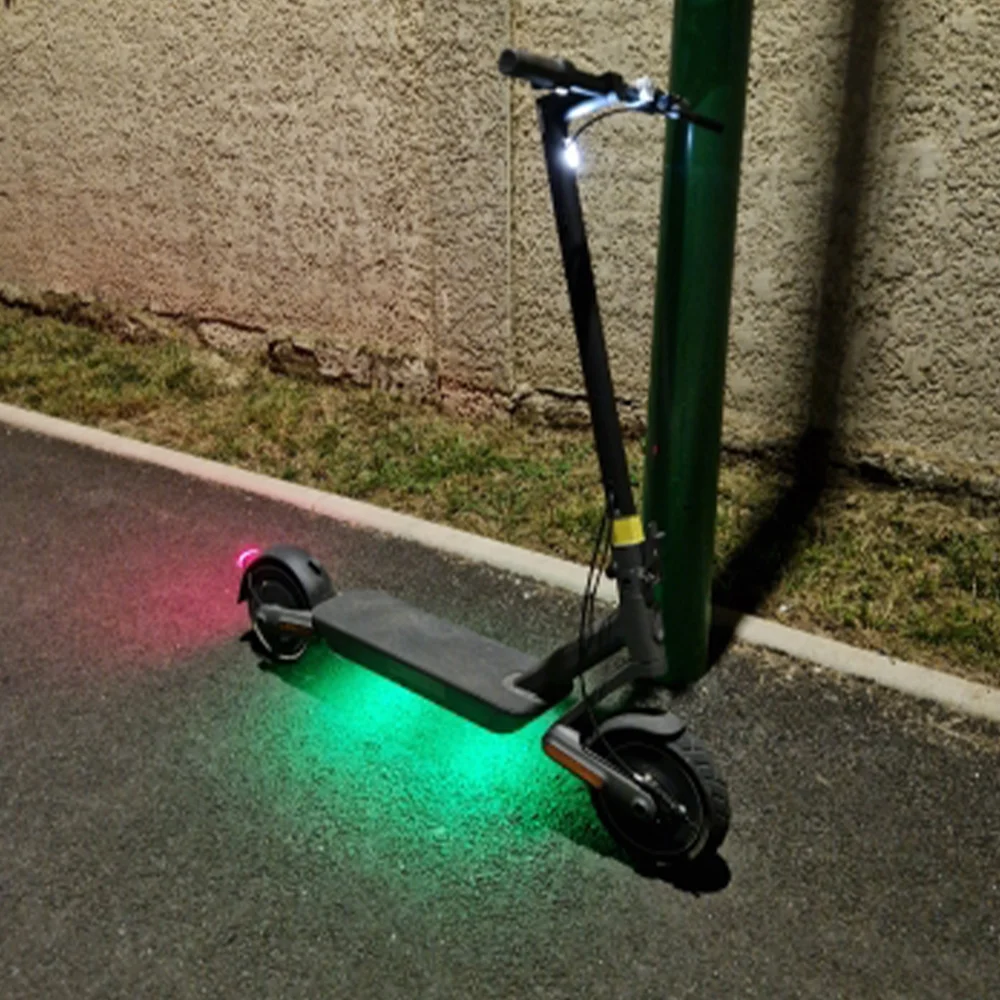
RGB Led Scooter Strobe Lights Bike LED Flash Position Wireless Light Aircraft Airplane Helicopter Warning Lights Accessories

protection
G-Form Pro-Rugged 2 MTB Elbow Guards - Breathable Compression Elbow Sleeves - Elbow Guards for Mountain Biking, Cycling & More - Protective Elbow Pads for Athletes - Black, Adult Medium

protection
G-Form Pro-X3 Elbow Guards - Mountain Biking Elbow Guards for Athletes - Comfortable & Breathable - Riding & Other Sports - Triple Matte Black, Adult Large
📱 Track your rides on the Apollo City with the ScooterRank app (Android). See how it works →
How long will the battery last for you?
Rider Weight
Score Breakdown vs. Electric Scooter Average
How we calculate Power & Speed
Beats approximately 92% of commuter scooters on this metric.
⚠️Partial data — 50% of spec fields available. Score may shift as more data is added.
How we calculate Real-World Range
Beats approximately 74% of commuter scooters on this metric.
How we calculate Ride Comfort
Beats approximately 51% of commuter scooters on this metric.
How we calculate Portability
Beats approximately 22% of commuter scooters on this metric.
How we calculate Safety
Scores 66/100 based on safety/tech features.
How we calculate Tech & Features
Scores 50/100 based on safety/tech features.
How we calculate Build Quality
Scores 66/100 based on IP rating, brake type, and suspension quality.
How we calculate Value for Money
ℹ️ Value for Money is displayed for reference only. It compares score-per-dollar against subcategory peers — higher price for the same performance means a lower value rank. This metric does not affect the Overall Score.
Offers better value than 13% of commuter scooters (score per dollar). Informational — not part of the overall score.
Final ScooterRank Rating · 7 dimensions
66/100
Full Specifications
Apollo City Electric Scooter: Smooth, Fast Urban Ride
The Apollo City redefines mid-range commuting by combining a high-capacity 960 Wh battery and dual spring suspension to deliver a smooth urban ride. Beyond its impressive 61.2 km claimed range and 51.5 km/h top speed, the City stands out with an IP66 water-resistance rating, ensuring reliable performance in light rain. While its 29.5 kg frame and pneumatic tires add comfort, they also impact portability—a critical trade-off for riders who must carry their scooter on public transit. Priced at $1,199, it positions itself above budget models yet below premium two-motor setups, offering strong power and protection for daily use.
Real-World Range and Performance
Despite its 61.2 km rated range, real-world performance often drops to around 45–50 km under city riding conditions. Factors like rider weight, frequent stops, and hilly terrain can increase battery draw. The Apollo City’s 960 Wh battery is 20–30 % larger than many 36 V scooters, translating to more consistent power delivery at higher speeds—up to 51.5 km/h. Compared to the category average range score, the Apollo City sits just above mid-pack. For riders prioritizing extended distances or faster accelerations, adjusting riding mode to Eco can further stretch battery life on longer trips.
Portability vs. Comfort Trade-offs
At 29.5 kg, the Apollo City sits heavier than the average commuter scooter, which typically weighs 20–25 kg. This added mass stems from its robust dual spring suspension and 10-inch pneumatic tires—features that boost the comfort score on uneven urban roads. However, when folded, the scooter remains compact but may challenge riders needing to carry it upstairs or onto buses. If portability is a top priority, lighter alternatives could be easier to stow. Yet for those craving a smoother ride over potholes and cobblestones, the City’s ride quality outweighs the extra weight.
Rider Reviews
No written reviews yet — be the first to help other riders.
Frequently Asked Questions — Apollo City
The Apollo City has a claimed top speed of 51.5 km/h (32 mph). This is above average for commuter scooters (avg 47 km/h).
The manufacturer claims 61.2 km (38 mi) of range per charge. Real-world range will vary with rider weight, speed, terrain, and temperature.
The Apollo City weighs 29.5 kg (65 lbs). It is heavier than the commuter average of 28.56 kg.
The Apollo City is rated IP66, which indicates strong water resistance — suitable for rain riding.
The Apollo City is a reasonable choice at $1399 with a 66/100 score. It sits close to the commuter category average (48/100). Compare alternatives in our commuter rankings before deciding — similar-priced options may score higher.
The Apollo City electric scooter has a top speed of 51.5 km/h, making it one of the faster models in its class. This rating is measured on level ground with a standard rider weight. Always adhere to local speed regulations, and note that real-world conditions like incline and rider weight can slightly affect the maximum achievable speed.
Yes, the Apollo City is well-suited for daily commuting thanks to its 61.2 km range per charge and IP66 water resistance rating. Dual spring suspension and 10-inch pneumatic tires ensure a comfortable ride over uneven city streets. Keep in mind its 29.5 kg weight, which may be cumbersome if you need to carry it upstairs or onto public transit.
The Apollo City comes with 10-inch pneumatic tires that require regular maintenance for optimal performance. Check tire pressure before each ride—aim for 35–40 psi. Inspect the treads for cuts or foreign objects, and top up air using a standard pump or compressor. To reduce flats, consider using a tire sealant or puncture-resistant inner tubes.