Go
E-scooter speed and power limits vary by country. Check the rules in your country →

Price History & Offers
Available Offers
Prices updated automatically
* Affiliate links — we may earn a commission at no extra cost to you.
Key Strengths
- ✓High peak power of 1500W, allowing for robust performance and a top speed of 45.1 km/h, which is slightly above the category average speed of 44.2 km/h.
- ✓Impressive build quality score, significantly higher than the category average overall score, indicating durability and reliability.
- ✓Very portable, suggesting ease of transport compared to heavier peers like the average weight of 25.96 kg, while the Apollo Go weighs 20.90 kg.
Main Drawbacks
- ✕Limited range of 48.3 km, which is considerably lower than the category average of 61.5 km, potentially limiting long-distance travel.
- ✕Comfort score and minimal suspension features might lead to a less enjoyable ride compared to other mid-range scooters.
- ✕Lacks advanced braking options with only drum brakes at the rear and no front brakes, which could pose safety concerns.
Our Verdict
"Decent across the board, the Apollo Go covers the essentials well. A reliable option for everyday commuter riding."
Best Suited For:
Accessories for the Apollo Go
Verified compatible gear · essential picks
maintenance
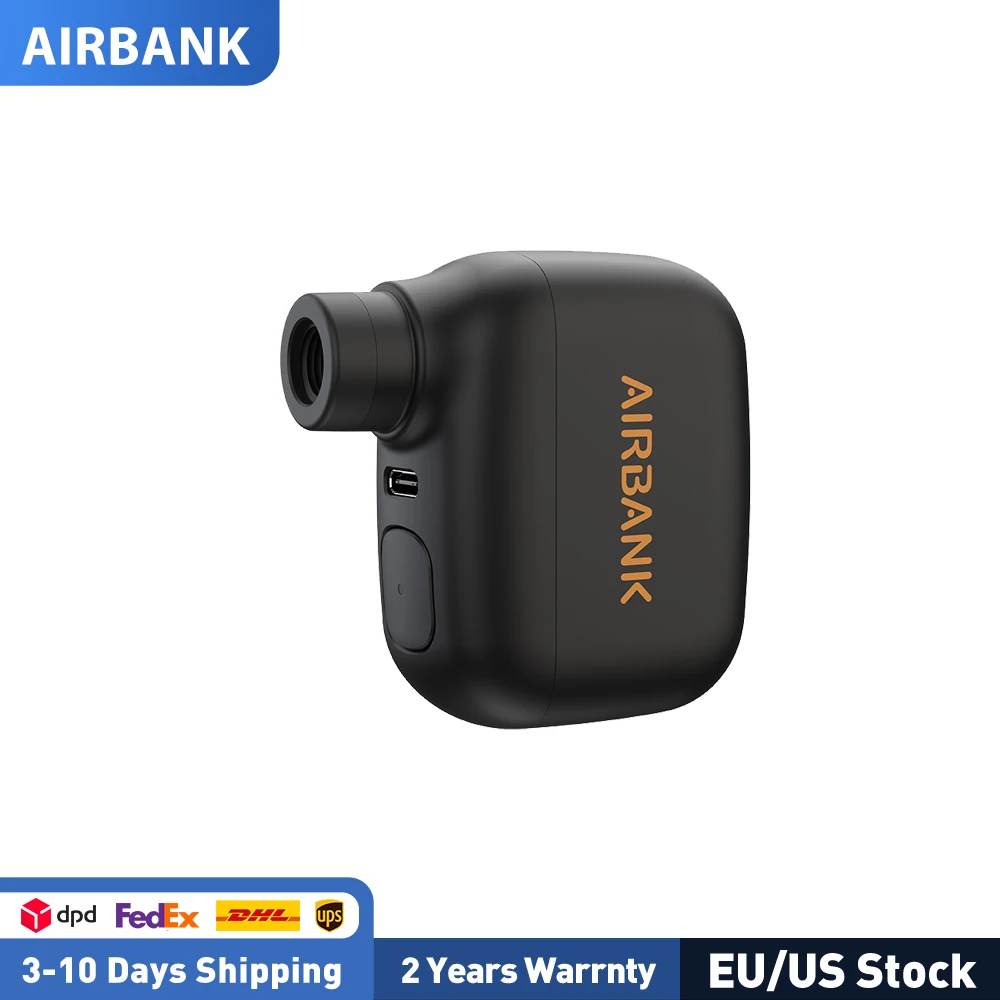
AIRBANK Pocket SE Mini Portable Electric Pump For Bicycle Cordless Tire Presta Schrader Valve Bike Accessories Fast Charging
security
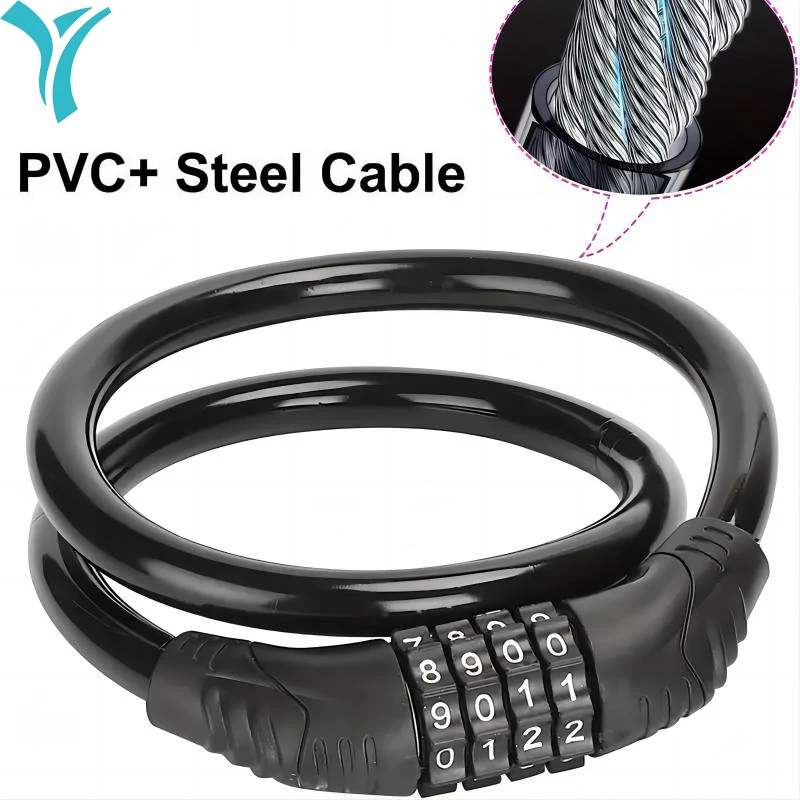
ZHUOHUA Bike Lock Cable,Bike Locks Heavy Duty Anti Theft,Security 4 Digit Resettable Combination Portable Code for Bicycle

protection
ROOZO Youth Kids Dirt Bike Helmet DOT Certified - Full Face Motorcycle Helmet for Off-Road, ATV, Street Riding, Includes Adjustable Goggles & Protective Gloves
security
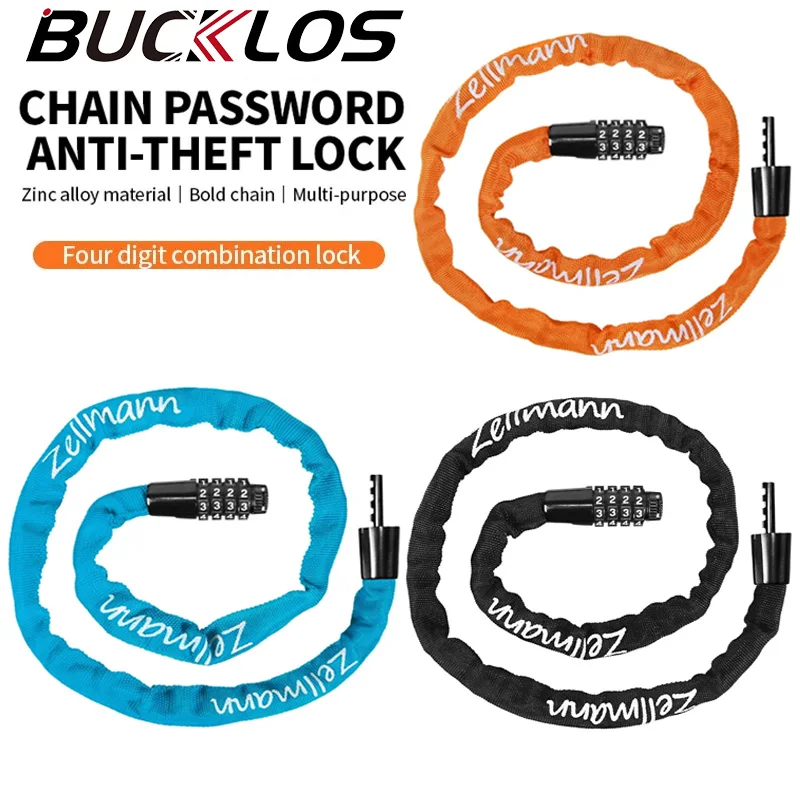
ZELLMANN Anti-theft Motorcycle Bicycle Lock MTB Road Bike Safety Chain Locks with Four Digit Combination Lock Bike Accessories
Real-world range: The Apollo Go's real-world range averages 36 km across 1 rider report — 74.5% of its 48.3 km manufacturer claim. See the full breakdown by riding mode and rider weight →
📱 Track your rides on the Apollo Go with the ScooterRank app (Android). See how it works →
How long will the battery last for you?
Rider Weight
Score Breakdown vs. Electric Scooter Average
How we calculate Power & Speed
Beats approximately 85% of commuter scooters on this metric.
How we calculate Real-World Range
Beats approximately 52% of commuter scooters on this metric.
How we calculate Ride Comfort
Beats approximately 45% of commuter scooters on this metric.
How we calculate Portability
Beats approximately 53% of commuter scooters on this metric.
How we calculate Safety
Scores 57/100 based on safety/tech features.
How we calculate Tech & Features
Scores 50/100 based on safety/tech features.
How we calculate Build Quality
Scores 61/100 based on IP rating, brake type, and suspension quality.
How we calculate Value for Money
ℹ️ Value for Money is displayed for reference only. It compares score-per-dollar against subcategory peers — higher price for the same performance means a lower value rank. This metric does not affect the Overall Score.
Offers better value than 61% of commuter scooters (score per dollar). Informational — not part of the overall score.
Final ScooterRank Rating · 7 dimensions
60/100
Full Specifications
Apollo Go: High-Speed Commuter Scooter with All-Weather Reliability
The Apollo Go is Apollo's latest commuter-focused electric scooter, blending a robust 1,500W motor and a high-capacity 540Wh battery to deliver an advertised 48.3km range at up to 45.1km/h. While those headline figures look strong on paper, real-world factors like rider weight, stop-and-go traffic, and weather can cut your usable range by up to 25%. Yet the Go stands out with dual spring suspension and pneumatic tires that soften urban potholes, plus an IP66 waterproof rating for wet rides. At 20.9kg, it strikes a balance between portability and power, designed for riders who need speed and comfort without an extreme carry weight. In this review, we'll unpack how the Apollo Go performs beyond its spec sheet—covering in-the-field range insights, commuter profiles, and practical tips for squeezing the most from every ride.
Real-World Range Insights
The Apollo Go’s spec sheet lists a 48.3km range, but urban riders typically see 30–35km per charge under mixed conditions. The 540Wh battery powering a 1,500W motor draws extra juice during rapid acceleration to 45.1km/h and on steep inclines. Factors like a 75kg rider, frequent stop-and-go traffic, and cold temperatures can reduce capacity by 20–30%. To maximize distance, maintain tire pressure at 50psi, ride at a steady 25–30km/h, and avoid full-throttle starts. Planning your route with smoother roads and minimal hills can also help you approach the Go’s advertised mileage in real scenarios.
Is the Apollo Go Right for Your Commute?
The IP66 rating guards against dust and heavy rain, so you can ride in wet conditions without worry. However, a 7.5-hour charge time and the absence of a quick-charge option may inconvenience daily riders, so allocate overnight charging. If you prioritize a blend of speed (45.1km/h), moderate weight, and weather resilience, the Go can fit into most urban commutes.
Rider Reviews
No written reviews yet — be the first to help other riders.
Frequently Asked Questions — Apollo Go
The Apollo Go has a claimed top speed of 45.1 km/h (28 mph). This is below the commuter average of 47 km/h.
The manufacturer claims 48.3 km (30 mi) of range per charge. Real-world range will vary with rider weight, speed, terrain, and temperature.
The Apollo Go weighs 20.9 kg (46 lbs). It is lighter than the commuter average of 28.56 kg — good for portability.
The Apollo Go delivers 1500 W (1.5 kW) of peak motor power.
The Apollo Go is rated IP66, which indicates strong water resistance — suitable for rain riding.
The Apollo Go is a reasonable choice at $749 with a 60/100 score. It sits close to the commuter category average (48/100). Compare alternatives in our commuter rankings before deciding — similar-priced options may score higher.
The Apollo Go boasts a top speed of 45.1km/h, powered by its 1,500W motor. Achieving this speed depends on factors like rider weight and incline, but on flat surfaces under ideal conditions, the Go can hit its full rated top speed, making it one of the faster commuters in its class.
Yes. The Apollo Go is well-suited for daily commuting, combining a 48.3km range and 45.1km/h top speed with an IP66 rating for wet-weather reliability. Its 20.9kg weight mean it can be folded for storage, though longer 7.5-hour charging requires planning. Ideal for riders prioritizing performance over ultra-light weight.
To maintain the Apollo Go's dual spring suspension, inspect the springs and pivot bolts every month for signs of wear or corrosion. Clean dirt from the spring coils and apply a light, waterproof lubricant to moving parts. Check that pneumatic tires are inflated to around 50psi to reduce stress on suspension. Tighten any loose hardware after heavy use and store the scooter in a dry environment to prevent rust.